Mardi Gras Weather: What February in New Orleans Is Really Like (and How to Plan for It)
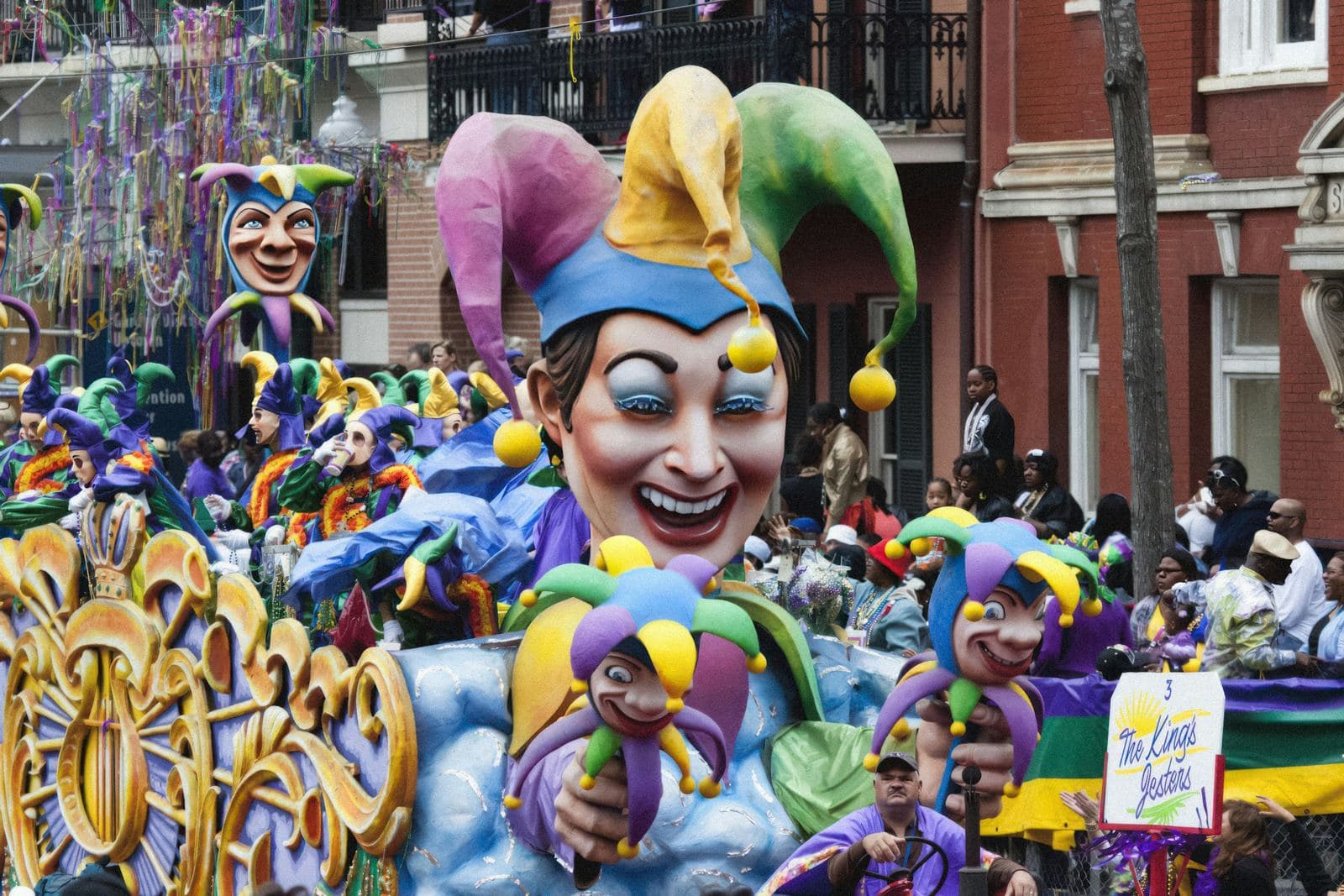
Mardi Gras Weather: What February in New Orleans Is Really Like (and How to Plan for It)
Every year, a few weeks before Fat Tuesday, the same question floods travel forums: what's the weather going to be like? And every year the honest answer from locals is the same - it depends, and it can depend wildly. New Orleans in February has produced Fat Tuesdays in the low 80s with riders sweating through their costumes, and Fat Tuesdays cold enough that flambeaux torches doubled as hand warmers.
The good news: you don't need a crystal ball to plan well. You need to understand the range of Carnival weather, how the city actually handles rain, and how locals dress for a day that can start near 45°F and end near 75°F. That's what this guide covers.
The Short Answer: Typical February Weather in New Orleans
New Orleans in February sits in the sweet spot between winter and the long Gulf Coast summer:
- Average high: around 65-67°F (18-19°C)
- Average low: around 48-51°F (9-10°C)
- Rain: measurable rain on roughly one day in four, often as short, heavy bursts rather than all-day drizzle
- Humidity: noticeable but mild by New Orleans standards - this is one of the most comfortable months of the year
- Daylight: sunset lands a little before 6 p.m. early in the month, closer to 6:15 by the end - which is why evening parades feel properly nocturnal
If you stopped reading here, you'd conclude that Mardi Gras weather is lovely. Most years, it is. February is genuinely one of the best months to be outside in New Orleans - it's a big part of why Carnival works as a street festival.
Why the Averages Lie: The February Swing
Here's what the averages hide: February in New Orleans is the collision month, when the last cold fronts of winter meet the first warm, wet air off the Gulf. That collision produces swings that surprise first-time visitors.
A single Carnival week can serve up a muggy 78°F Saturday, a line of thunderstorms Sunday night, and a crisp 40s Monday morning behind the front. Fat Tuesday itself has historically landed anywhere from near-freezing to the low 80s - the infamous 1899 Mardi Gras arrived during one of the coldest snaps ever recorded on the Gulf Coast, while plenty of modern Fat Tuesdays have felt like early summer.
The practical takeaway: don't pack for a forecast, pack for a range. Until about a week out, no forecast can tell you which February you're getting. Assume you'll experience both a warm afternoon and a chilly night on the same trip, because you probably will.
Does It Rain on Mardi Gras? What Actually Happens to Parades
This is the fear that drives most weather questions, so let's be specific about how New Orleans handles it.
Light rain: everything rolls. Krewes have spent a year and serious money on their floats, and riders will absolutely parade through a drizzle. Crowds thin a little, which veterans quietly consider a bonus - fewer people competing for throws.
Heavy rain and lightning: delays and route changes, almost never cancellations. When genuinely severe weather threatens, the city and the krewes adjust rather than cancel. Parades have started early to beat an incoming front, been pushed back a day, swapped time slots, or rolled shortened routes. Outright weather cancellations of major parades are rare enough that locals can list them from memory.
Wind is the quiet troublemaker. Strong gusts are actually a bigger operational problem than rain, because the big figure floats act like sails and riders throw from high platforms. Very windy days are the most common reason for schedule shuffles.
So if rain appears in your Mardi Gras weather forecast, don't spiral. Check the krewe's official channels and local news the morning of the parade - schedule changes are announced quickly and shared widely - and plan on the show going on, because it almost always does.
Cold Snaps, Warm Spells, and the Fat Tuesday Lottery
Some years Carnival lands early in February (or even late January), which tilts the odds cooler; a late Mardi Gras - like Mardi Gras 2027 on February 9 - sits right in the middle of the range.
On a cold Carnival day, the challenge isn't the number on the thermometer, it's the standing. You're outside for six or eight hours, mostly stationary on a parade route, often in shade under the oaks on St. Charles Avenue. A 48°F day that would be pleasant on a brisk walk feels properly cold by hour four. Locals handle it with layers, thermoses, and costumes built over fleece.
On a warm Carnival day, the sun does the work. Louisiana sun in February is stronger than visitors expect, there's little shade on the neutral ground, and a 75°F afternoon with a beer in hand dehydrates you faster than you'd think. Sunscreen and water are not overkill - sunburned tourists on Ash Wednesday are a genuine local stereotype.
How Locals Dress for Parade Weather
The uniform for uncertain weather is the same one we recommend in our what to wear to Mardi Gras guide: layers you can shed and stuff in a bag.
- Base: t-shirt or long-sleeve tee, depending on the morning
- Mid: fleece or sweatshirt - ideally purple, green, or gold, because you're not exempt from the dress code
- Shell: a light rain jacket or a cheap poncho that lives at the bottom of your parade bag
- Feet: waterproof-ish sneakers you've already broken in; parade routes stay muddy for days after a rain
- Skip the umbrella. In a shoulder-to-shoulder crowd, umbrellas make you enemies fast, and a gust will eat it anyway. Ponchos and hooded jackets are the local answer. (Decorated parasols are a different thing entirely - those are culture, not rain gear.)
Add sunscreen, a water bottle, and something warm for after sunset. The temperature drop when the sun goes down behind a February cold front is fast, and night parades like Muses and Endymion run long.
Weather Safety, Briefly
A few genuinely useful Mardi Gras safety tips that are really weather tips in disguise:
- Hydrate like it's summer. Alcohol plus sun plus hours of standing is the classic Carnival ambulance call. Alternate drinks with water.
- Have a lightning plan. If thunder gets close, step into a bar, a hotel lobby, or your car - not under a live oak. Storms move through fast; the parade usually resumes.
- Mind the cold after dark if you're out for the long haul, especially with kids. A dry change of socks in the car has saved many a family's Lundi Gras.
- Check the forecast the morning of, not just the week before. February forecasts in New Orleans have a short shelf life.
Planning for Mardi Gras 2027
Mardi Gras 2027 falls on Tuesday, February 9, with the biggest parades rolling the week and a half before - see the full 2027 calendar and parade schedule for dates. Early February tilts slightly cooler than a late-season Carnival, so weight your packing toward the warm-layers end of the range.
Reliable forecasts appear about 7-10 days out. Before that, ignore any site claiming to know Fat Tuesday's weather months in advance - it's astrology with isobars. Book your trip on the assumption of good parade weather (the odds are with you), pack for the swing, and let the forecast fine-tune your final suitcase.
Because here's the thing veterans know: some of the best Mardi Gras days are the gray ones. The crowd is thinner, the throws come faster, and there is no sight quite like a krewe rolling through the mist on St. Charles Avenue, beads flashing under the streetlights. The weather is part of the show.
Cover photo: a brass band in the rain at Barkus, by Jen, CC BY-SA 2.0, via Wikimedia Commons.

More from the Dispatch
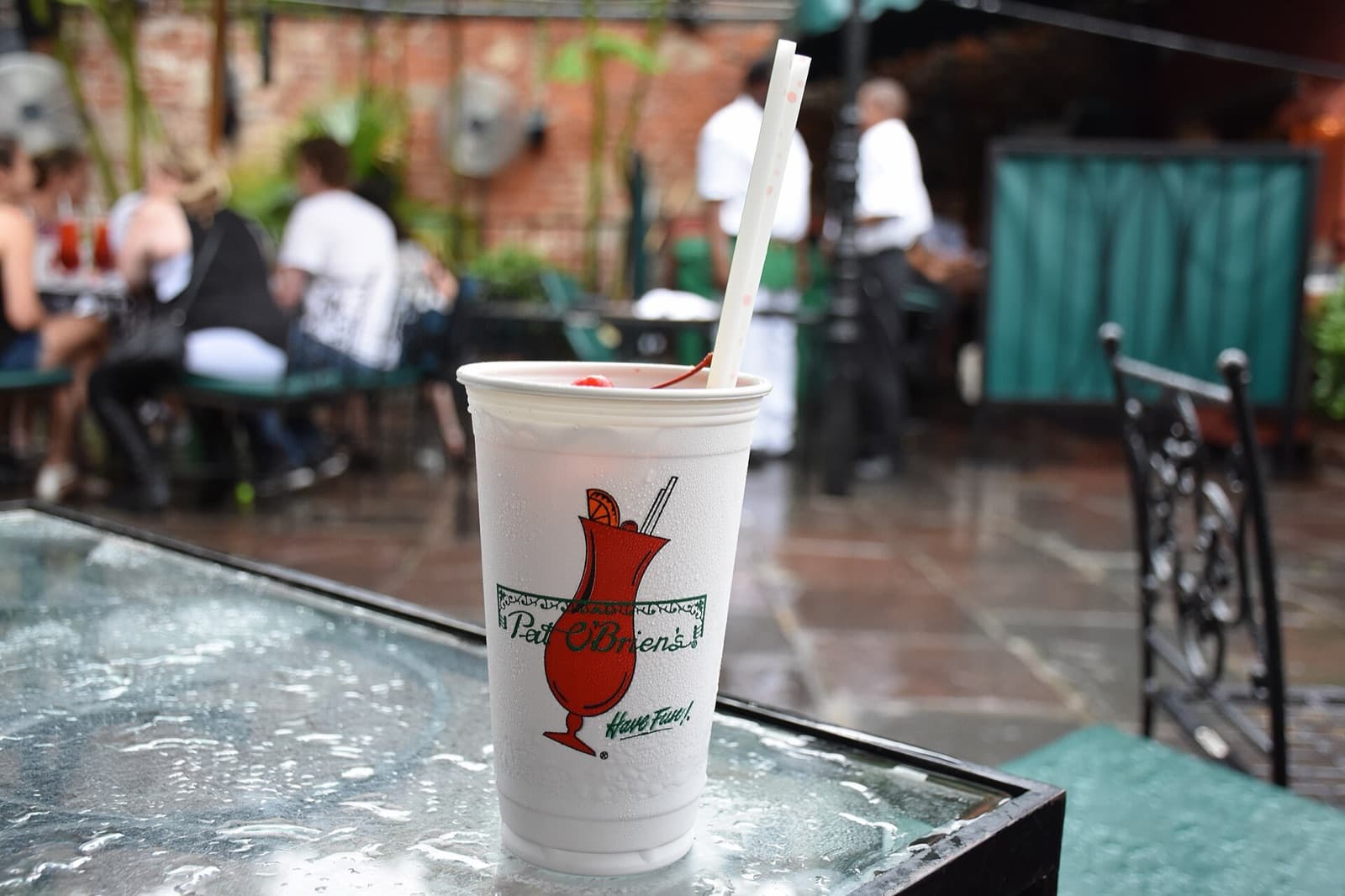
The Mardi Gras Price Index: What a Hurricane, a Po-Boy and a Beignet Cost Over Time
We tracked what New Orleans staples cost on archived menus and set them against national inflation. The Hurricane and the po-boy fell behind, the beignet pulled ahead, and the Sazerac matched restaurant prices almost exactly.

Endymion 2027: Parade Date, Start Time, Route and the Extravaganza
Endymion rolls on Saturday 6 February 2027 at 4pm, confirmed by the krewe. Here is the Mid-City route, when the floats reach each stretch, where to watch, the city rules for claiming a spot, and what to know about the Extravaganza in the Superdome.
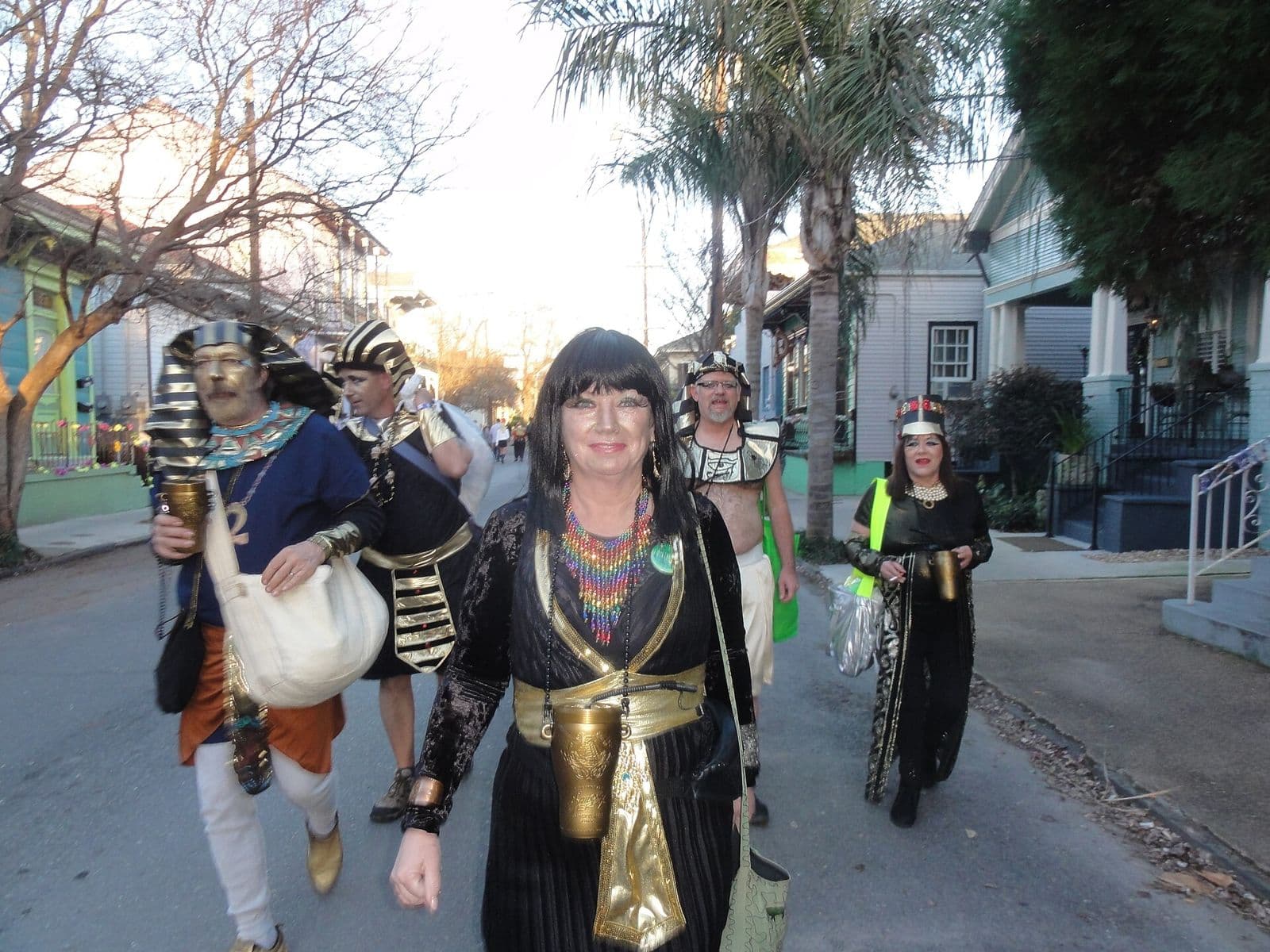
When Mardi Gras 2027 Parades Actually Start: The January Schedule
Carnival opens on 6 January 2027, but the big parades do not. Here is what rolls in January, what the quiet fortnight in between is really like, and why booking around Twelfth Night is usually a mistake.