The Perfect Mardi Gras Weekend Itinerary: 3 Days in New Orleans, Planned Hour by Hour
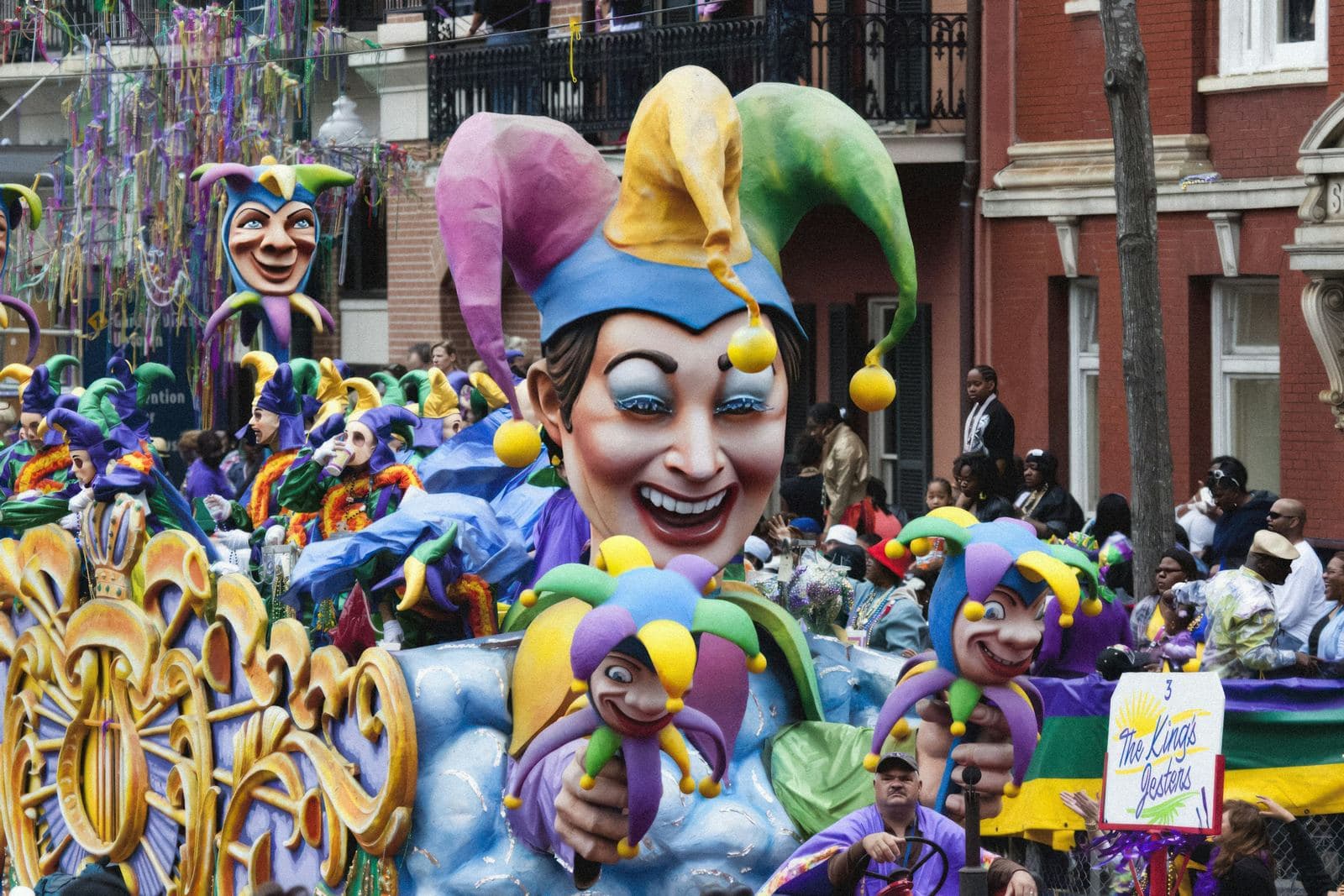
The Perfect Mardi Gras Weekend Itinerary: 3 Days in New Orleans, Planned Hour by Hour
Here's a secret locals know: you don't need two weeks of vacation to do Mardi Gras properly. The final weekend before Fat Tuesday packs a dozen of the best New Orleans Mardi Gras parades into three days, including two of the three super krewes. If you can only make one trip, this is the one to make.
But a Mardi Gras weekend rewards planning the way few trips do. Parades close streets for hours, restaurants book out weeks ahead, and the difference between a magical day and an exhausting one usually comes down to timing. This is the itinerary we send our own out-of-town friends - the same rhythm most locals follow, hour by hour.
Before You Go: The 10-Minute Planning Layer
A few decisions to make before you land:
Pick the right weekend. This itinerary covers the final weekend of Carnival - the Friday through Sunday before Fat Tuesday. For Mardi Gras 2027, that's February 5-7, with Mardi Gras itself on Tuesday, February 9. Check our full 2027 dates and parade calendar to line up your flights.
Stay near the route, not near Bourbon Street. The parades roll Uptown and through the CBD, not the French Quarter. Our neighborhood-by-neighborhood guide to where to stay breaks it down, but the short version: Lower Garden District or the CBD puts you on the route; the Quarter puts you a 30-minute walk from it.
Don't plan to drive. Route closures split the city in half for most of each day. Walk, bike, or use the streetcar and rideshares early in the morning. Once parades start rolling, your feet are your transit system.
Build your parade schedule ahead of time. Every krewe, route, and start time is in our free parade planner - pick your parades and it builds your day around them.
Day 1 - Friday: Ease In, Then Meet Muses
Morning: arrive and eat like you mean it. Land by midday if you can. Drop your bags and get a proper first meal - a shrimp po-boy, a plate of red beans if it's technically still Thursday somewhere, or beignets at an uncrowded morning cafe. You will not have a calm sit-down lunch again until Monday. Enjoy it.
Afternoon: walk the route before it fills. Stroll St. Charles Avenue in the Garden District around 2 or 3 p.m. You'll see ladders staking claims, families unloading coolers, and beads already hanging in the oaks from earlier weekends. It's the best free preview in America, and it helps you scout your standing spot for tomorrow. Our parade routes guide explains which blocks locals actually pick.
Evening: the Friday night parades. Friday of the final weekend brings satirical krewes and one of the most beloved processions of the season - Muses, the all-female krewe whose hand-decorated shoes are among the most coveted throws in all of Carnival. Get to the route by 5:30 p.m., pick a spot mid-route on St. Charles, and settle in. Yell for a shoe. You probably won't get one. Yell anyway.
Late night: eat, don't rally. Grab a late plate of jambalaya or a burger somewhere off the route and go to bed. Saturday is the marathon day, and first-timers who close out Frenchmen Street on Friday regret it by Saturday afternoon.
Day 2 - Saturday: The Marathon
Morning: king cake and coffee, early. Be up by 8. Get a slice of king cake and a cafe au lait - it's the official breakfast of Carnival and you'll need the sugar. If you're staying Uptown, walk to the route with the locals pushing strollers and wagons.
Late morning to afternoon: the daytime parades. Daytime Saturday belongs to the family parades rolling down St. Charles back to back. This is classic Mardi Gras: marching bands, flambeaux-style pageantry in daylight, floats close enough to touch, kids on ladders catching stuffed animals. Stake your spot by 10 a.m., make friends with your neighbors (they'll watch your cooler; it's the unwritten etiquette), and let three or four parades roll over you.
Late afternoon: rest on purpose. Around 4 p.m., go back to your hotel and sit down for an hour. This break is the single most important item in this itinerary. Saturday night is a super krewe night, and everyone who skips the rest hits a wall at 8 p.m.
Evening: Endymion. Saturday night brings Endymion, one of the biggest parades on Earth - over 3,000 riders and floats the length of city blocks, rolling through Mid-City on its own route. It is the one night the party moves away from St. Charles, and the crowd energy is unmatched. Get there early; Endymion crowds are the deepest of the season. Alternatively, stay Uptown for the evening parades there and catch Endymion on the news - a legitimate local move if the marathon caught up with you.
Late night: now Frenchmen. If you've still got legs, tonight's the night for live music. Frenchmen Street over Bourbon, every time.
Day 3 - Sunday: Bacchus and the Slow Goodbye
Morning: long brunch. Sleep in a little. Book a proper New Orleans brunch weeks ahead - turtle soup, grits and grillades, a brass band if you choose the right room. Sunday brunch during Carnival is its own institution, and it's the sit-down meal your weekend deserves.
Afternoon: one more round on the route. Sunday afternoon brings another string of daytime parades down St. Charles. You know the drill now - and it's remarkable how much of a veteran you'll feel like on day three. This is the day to relax into it: fewer photos, more catching.
Evening: Bacchus. Sunday night closes the weekend with Bacchus, the super krewe that invented the celebrity monarch and rolls some of the most famous signature floats in Carnival - the Bacchagator, King Kong and family. It rolls the classic Uptown route, so you can hold one good spot from afternoon straight through the night. If you have an early Monday flight, catch the front half of the parade and slip out; Bacchus runs long, and the first hour has most of the icons.
If you can stay through Tuesday: you've hit the weekend peak, but Fat Tuesday itself is a different, older kind of magic - costumed walking krewes at dawn, Zulu's coconuts, Rex, and the whole city in costume. If your schedule bends, bend it.
The Travel Tips That Hold It All Together
Money: bring more cash than you think for food trucks and tips; almost everything else takes cards. Full breakdown in our Mardi Gras budget guide - the parades themselves are free, every single one.
Feet: you will walk 8 to 12 miles a day. Broken-in shoes only. This is the most repeated and most ignored piece of Mardi Gras advice in existence.
Phone: networks choke near big parades. Screenshot your plans, drop a pin where you're standing, and agree on a meetup spot with your group before each parade.
Bathrooms: the eternal question. Buy something small at a bar and use theirs, or look for paid porta-potty compounds near the route. Never gamble on "we'll figure it out."
Weather: February in New Orleans can be 75 degrees and sunny or 40 and sideways rain, sometimes in the same weekend. Layers, and a cheap poncho in the bag.
Quick Answers for First-Timers
Is one weekend really enough? Yes. The final weekend has more parade hours than most people can physically watch. You'll leave exhausted and planning your return trip.
Which day is best if I only have one? Saturday - daytime family parades plus Endymion at night is the fullest single day of Carnival.
Do I need tickets for any of this? No. Every parade in this itinerary is free to watch from public streets. Tickets exist only for grandstands and balls.
Is this itinerary kid-friendly? Days, absolutely - see our family guide to Mardi Gras. For super krewe nights, pick your block carefully and head home before the crowds break up.
Ready to build your own schedule? Load the parade planner, pick your krewes, and start practicing your throw-catching stance. See you on the neutral ground.
Cover photo: Carol M. Highsmith, via the Library of Congress on Unsplash.
More from the Dispatch
When Mardi Gras 2027 Parades Actually Start: The January Schedule
Carnival opens on 6 January 2027, but the big parades do not. Here is what rolls in January, what the quiet fortnight in between is really like, and why booking around Twelfth Night is usually a mistake.

Mardi Gras Throws, Explained: What Gets Thrown, How to Catch It & Which Krewes Have the Best
Beads are the least interesting thing thrown at a Mardi Gras parade. Here's the full New Orleans throw hierarchy - Zulu coconuts, Muses shoes, Nyx purses, Tucks toilet brushes, doubloons - plus how to actually catch them, the bead-throwing rules locals follow, and what to do with the pile afterward.
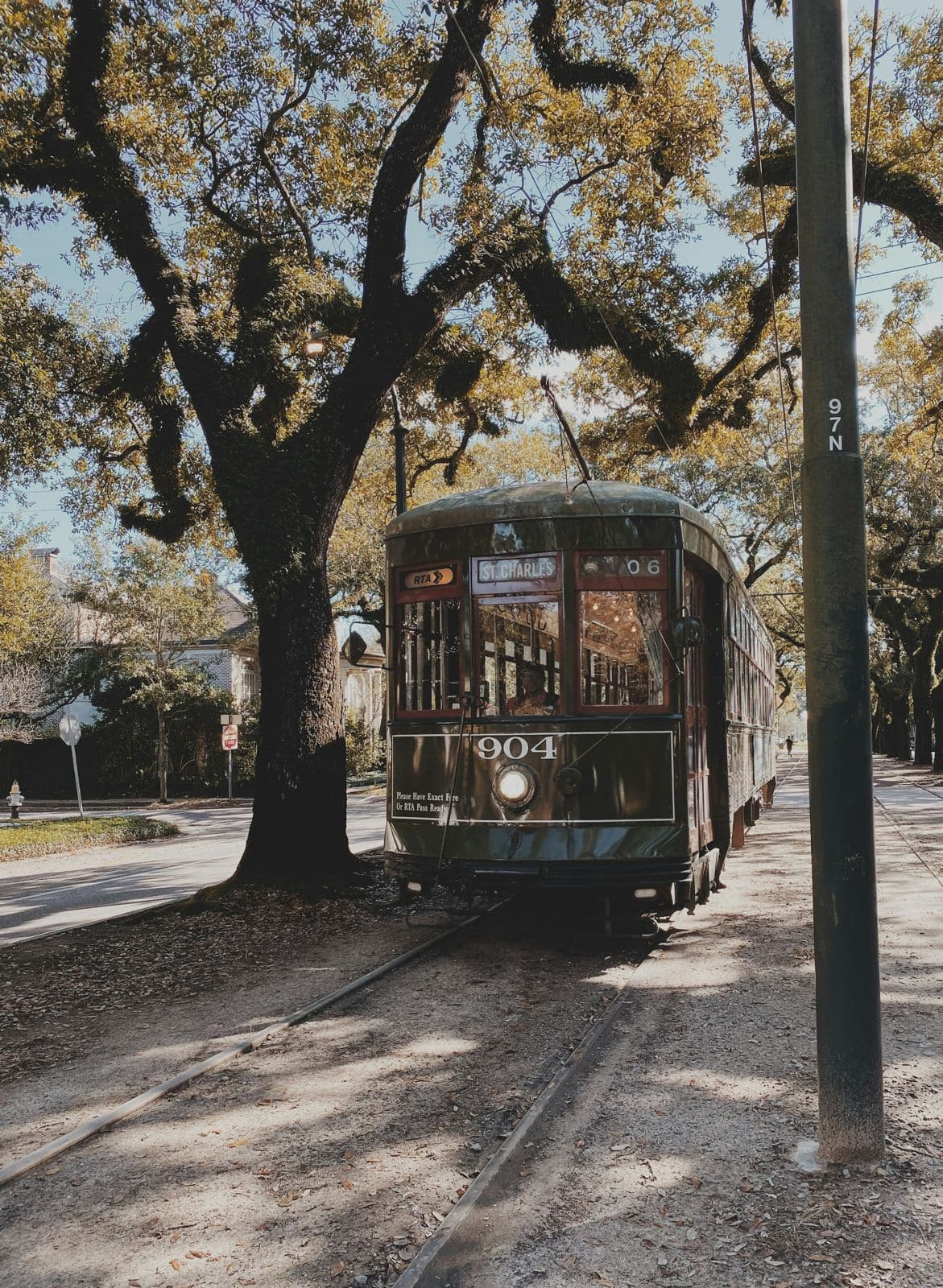
Getting Around New Orleans During Mardi Gras: Parking, Streetcars, Road Closures & Rideshare
During Carnival, New Orleans stops working like a normal city. Streetcars get replaced by buses, whole neighborhoods close to cars, and the tow trucks are not bluffing. Here's how locals actually get around Mardi Gras: parking rules, road closures, rideshare, the ferry, and why walking usually wins.