The History of Mardi Gras in New Orleans: From French Explorers to Fat Tuesday
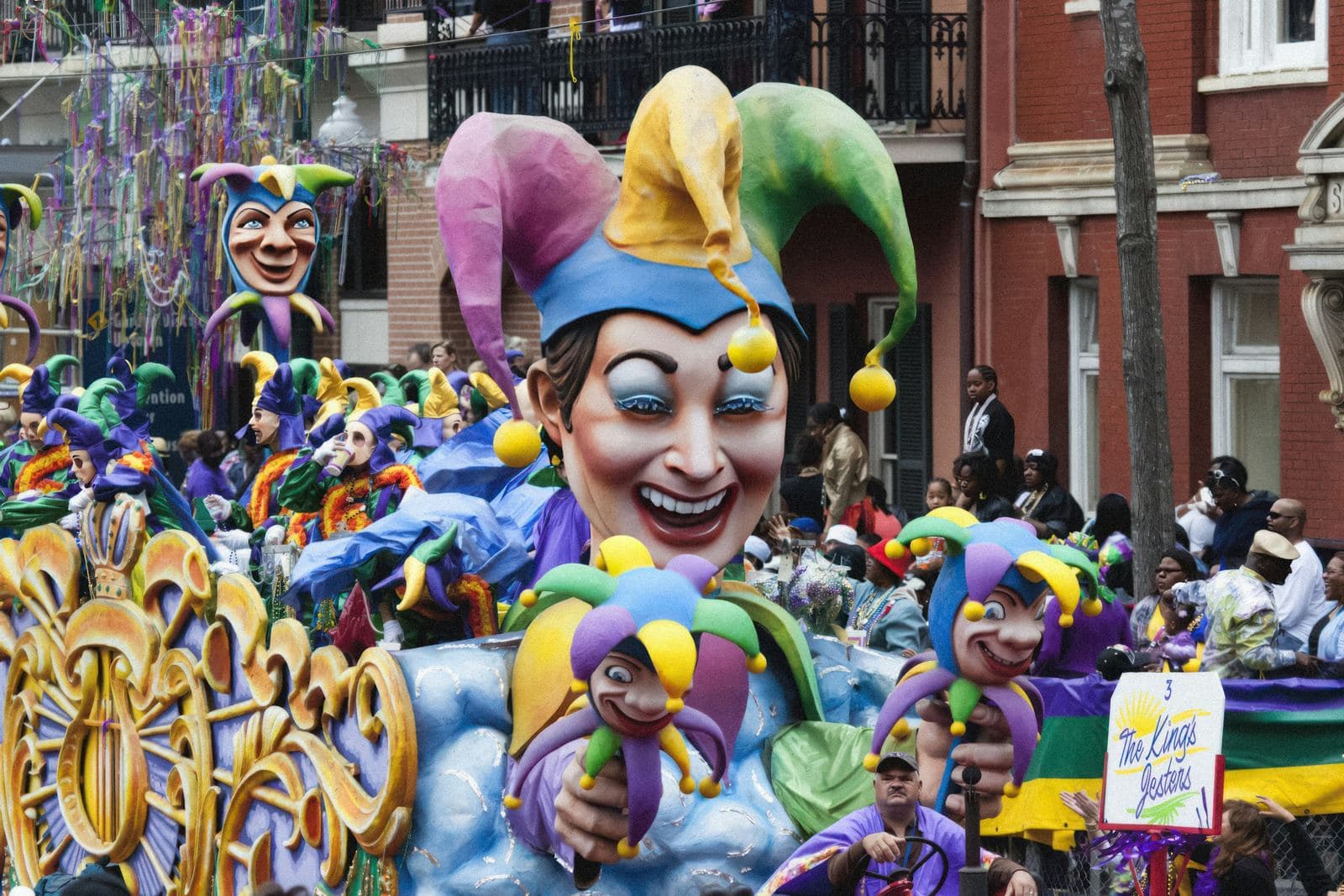
The History of Mardi Gras in New Orleans: From French Explorers to Fat Tuesday
Ask ten people where Mardi Gras comes from and you will get ten confident, mostly wrong answers. The real Mardi Gras history of New Orleans is stranger and better than the myths: it starts with a French camp on a muddy riverbank in 1699, detours through secret societies and a Russian grand duke, survives wars, prohibitions and hurricanes, and ends up as the biggest free party in North America. Here is how it actually happened.
1699: Mardi Gras arrives before New Orleans exists
The name showed up before the city did. On March 3, 1699 - which happened to be Fat Tuesday back in France - the French-Canadian explorer Pierre Le Moyne d'Iberville made camp on a bend of the Mississippi River about 60 miles downriver from where New Orleans would eventually stand. Knowing what day it was at home, he named the spot Pointe du Mardi Gras.
That is the whole story of the "first Mardi Gras" in Louisiana: a handful of cold Frenchmen, a named campsite, and no parade in sight. But the date matters. Carnival came to the Gulf Coast with the French, as a Catholic season of feasting before the fasting of Lent - the same tradition Europeans had celebrated for centuries.
Mobile, founded in 1702, likes to point out that it held organized Carnival celebrations before New Orleans was even founded in 1718 - and Mobile is right. New Orleanians have made peace with this the way younger siblings do: by throwing the bigger party.
The 1700s and early 1800s: balls, masks and official disapproval
Colonial New Orleans celebrated Carnival mostly indoors, with masked balls and street masking that authorities kept trying, and failing, to stamp out. The Spanish governors banned masking. The early American ones, after the Louisiana Purchase in 1803, were not thrilled about it either. The masks stayed.
By 1837, newspapers were describing an organized procession of maskers through the streets - the first documented Mardi Gras parade in New Orleans. These early processions were rowdy, improvised and occasionally dangerous; by the 1850s the press was openly predicting Mardi Gras would die out from its own bad behavior.
1857: Comus invents the modern parade
Instead, six men from Mobile saved it. In 1857 they founded the Mistick Krewe of Comus, borrowing the model of Mobile's mystic societies, and staged something New Orleans had never seen: a nighttime parade with a unified theme, torch-lit floats, costumed riders and a ball afterward. Comus also gave Carnival its strangest word - "krewe" - a pseudo-archaic spelling that every parading organization has used since.
Nearly everything you recognize in a Mardi Gras parade today - themed floats, flambeaux torches, the secretive club behind it all - traces back to that single night. If you want to understand how those pieces work in a modern parade, our complete parade guide breaks them down.
1872: Rex, a Russian grand duke and the birth of purple, green and gold
The next great leap in Mardi Gras parade history came in 1872, when a group of businessmen founded Rex, the King of Carnival - partly to organize a daytime spectacle for a celebrity visitor, Grand Duke Alexis Romanov of Russia, and partly to boost the city's image after the Civil War.
Rex gave Mardi Gras its public face: a king who arrives with pomp, a daytime parade anyone could see, and the official colors - purple for justice, gold for power and green for faith. The story that the colors were chosen to flatter the grand duke is likely embellished, but the colors stuck, and they now cover the city every season. We unpack what they mean - along with king cake and throws - in our guide to Mardi Gras traditions.
In 1875, Louisiana made Mardi Gras a legal state holiday. It remains one of the only places in America where a city officially shuts down for Carnival.
1909: Zulu and the Carnival that Black New Orleans built
Mardi Gras history is not just the story of the old-line krewes. In 1909, Black New Orleanians organized what became the Zulu Social Aid and Pleasure Club, parodying the pretensions of Rex with a king who carried a banana-stalk scepter. Zulu grew into one of the most beloved parades of the entire season, and its hand-decorated coconuts became the single most prized throw in Carnival.
Zulu parades on Mardi Gras morning ahead of Rex to this day - and the deeper tradition of Black masking Indians, the Mardi Gras Indians, remains one of the most extraordinary living folk traditions in America.
The 20th century: super krewes and a changing Carnival
For a century, Carnival belonged to the old-line krewes. That changed in the late 1960s, when Endymion (1967) and Bacchus (1968) invented the super krewe: enormous floats, celebrity monarchs, thousands of riders and open membership. Orpheus, co-founded by Harry Connick Jr. in 1993, completed the modern super krewe trinity that now owns the final weekend of the season.
The era of change ran deeper than float size. A 1991 city ordinance required parading krewes to integrate; some old-line krewes, including Comus itself, chose to stop parading rather than comply, while newer organizations built a more open Carnival. Women's krewes - from Iris, founded in 1917, to Muses, founded in 2000 with its coveted glittered shoes - moved from the margins to headliners. Today's krewe landscape, from satirical walking clubs to the super krewes, is mapped in our krewes guide.
2006: the Carnival that refused to die
If you want to understand what Mardi Gras means to New Orleans, look at 2006. Six months after Hurricane Katrina flooded 80 percent of the city, with whole neighborhoods still dark, New Orleans paraded anyway. The season was shorter and the crowds thinner, but the floats rolled - many of them carrying pointed satire about FEMA and failed levees. Locals will tell you it was the most emotional Mardi Gras ever held, and proof that Carnival is not a tourist product. It is how the city talks to itself.
Mardi Gras today: your turn in the timeline
Three centuries in, the essentials have not changed: it is still a season, not a day - it runs from Twelfth Night (January 6) to Fat Tuesday, a rhythm we explain in our Carnival season guide. It is still free to attend. And it still belongs to the people on the street, not to anyone selling tickets.
If reading the history has you ready to see it in person, start with the parade schedule, pick your krewes, and use our parade planner to build your route. Mardi Gras 2027 falls on February 9 - the next chapter is yours to stand in.
Cover photo: Mardi Gras Parade, New Orleans, Louisiana, by Carol M. Highsmith, via the Library of Congress on Unsplash.
More from the Dispatch
When Mardi Gras 2027 Parades Actually Start: The January Schedule
Carnival opens on 6 January 2027, but the big parades do not. Here is what rolls in January, what the quiet fortnight in between is really like, and why booking around Twelfth Night is usually a mistake.
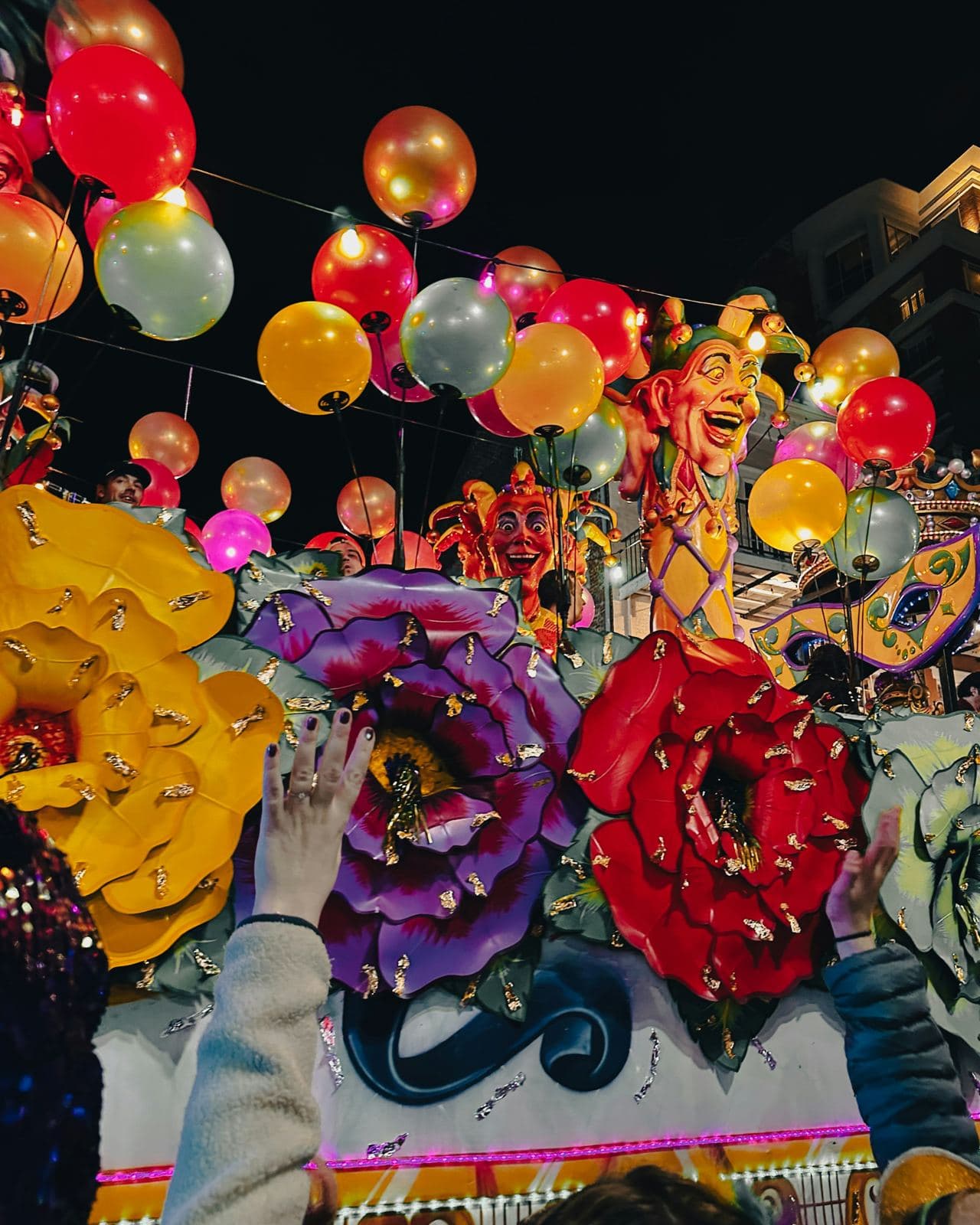
Mardi Gras Throws, Explained: What Gets Thrown, How to Catch It & Which Krewes Have the Best
Beads are the least interesting thing thrown at a Mardi Gras parade. Here's the full New Orleans throw hierarchy - Zulu coconuts, Muses shoes, Nyx purses, Tucks toilet brushes, doubloons - plus how to actually catch them, the bead-throwing rules locals follow, and what to do with the pile afterward.
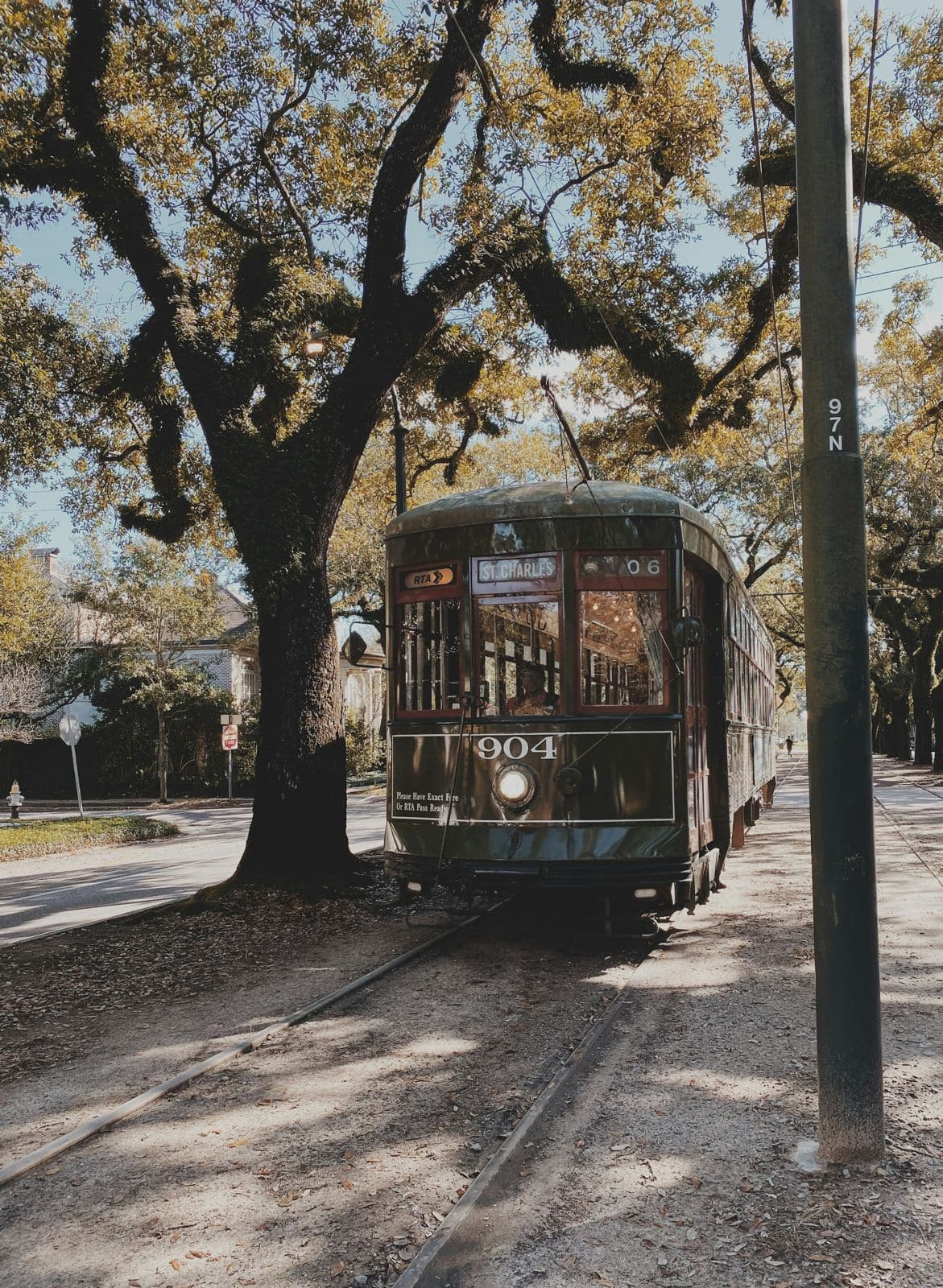
Getting Around New Orleans During Mardi Gras: Parking, Streetcars, Road Closures & Rideshare
During Carnival, New Orleans stops working like a normal city. Streetcars get replaced by buses, whole neighborhoods close to cars, and the tow trucks are not bluffing. Here's how locals actually get around Mardi Gras: parking rules, road closures, rideshare, the ferry, and why walking usually wins.