Mardi Gras Parade Routes, Explained: Where the Parades Roll & the Best Viewing Spots
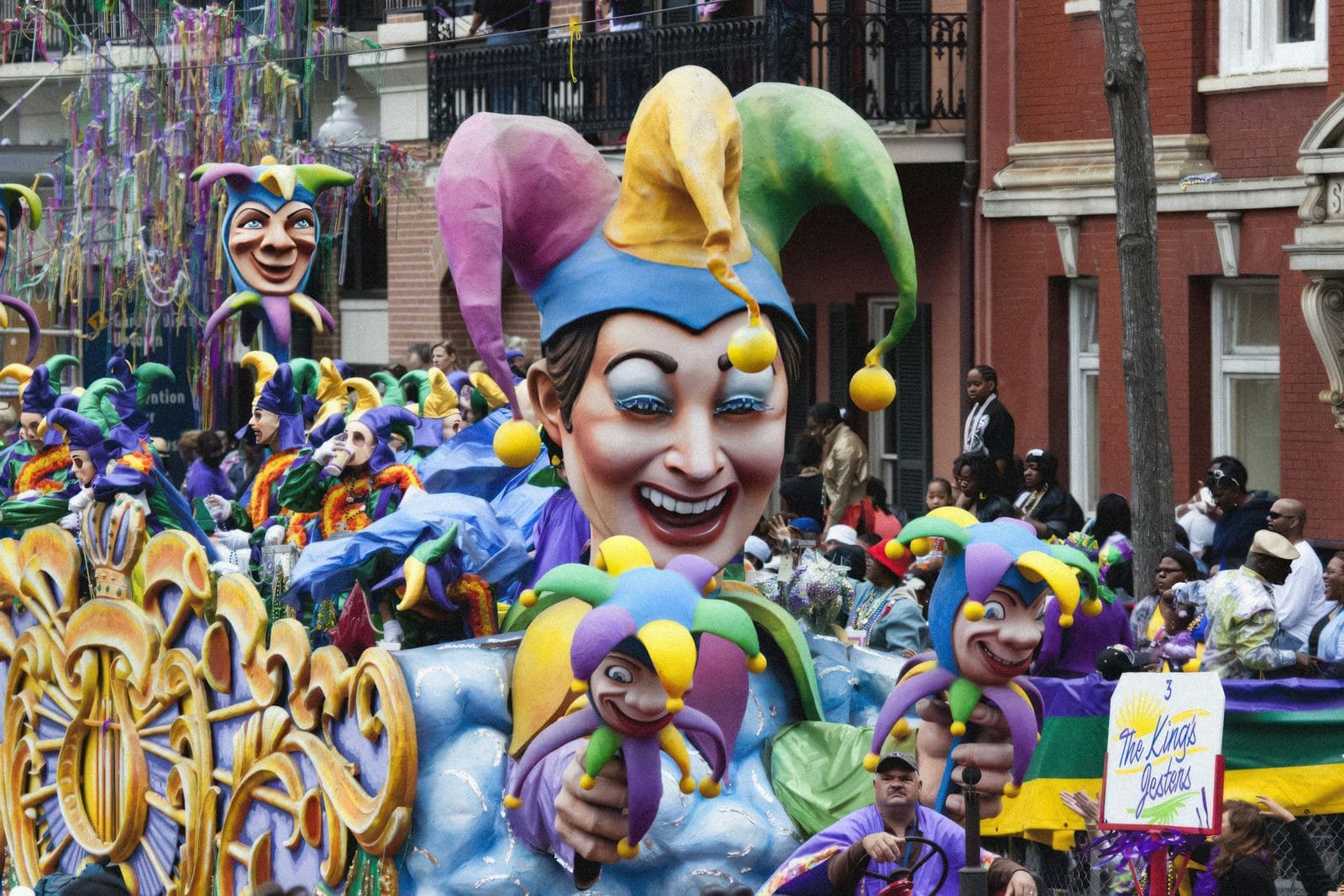
Mardi Gras Parade Routes, Explained: Where the Parades Roll & the Best Viewing Spots
First-time visitors are often surprised to learn that Mardi Gras parades do not wind randomly through New Orleans - and that they do not go through the French Quarter at all. Almost every major parade follows the same well-worn path, which means that once you understand one route, you understand most of Carnival. Even better: where you choose to stand along that route changes your entire experience, from elbow-to-elbow party to blanket-on-the-grass family picnic.
Here is how Mardi Gras parade routes actually work, block by block, plus the viewing spots locals quietly return to year after year.
The one route that rules them all: the Uptown route
The classic Uptown route is the spine of Carnival. The vast majority of the big parades - from the early-season krewes through Bacchus, Rex and Zulu - roll some version of it:
Napoleon Avenue -> St. Charles Avenue -> Gallier Hall -> Canal Street
Floats typically line up along Napoleon Avenue, turn onto St. Charles Avenue, and ride the oak-lined avenue downtown for roughly four miles, passing the Garden District, Harmony Circle (the roundabout long known as Lee Circle), and Gallier Hall - where krewes traditionally stop for toasts - before finishing on or near Canal Street.
Why does everyone use the same route? Full-size floats have been banned from the French Quarter's narrow streets since 1973, and St. Charles Avenue offers what parades need: a wide, straight avenue, a grassy streetcar median (which locals call the neutral ground), and miles of sidewalk for crowds. If you remember one thing, remember this: the parades come to the route - you just have to pick your block.
The Uptown route, block by block
Napoleon Avenue: the start line
The blocks around Napoleon and St. Charles are where many parades begin rolling. Crowds are thinner, riders' throw bags are full, and you will see floats before they have shed half their beads. This stretch has a strong neighborhood feel: barbecue grills, folding chairs, kids on ladders. If your goal is catching throws, being early on the route is a real advantage.
The Garden District stretch: the postcard miles
Between Napoleon Avenue and Jackson Avenue, St. Charles is pure postcard - live oaks draped in beads, historic mansions, families camped on the neutral ground. This is the stretch most locals mean when they say they are "going to the parades." It is festive but rarely frightening, and there is room to breathe. Stake out a spot on the neutral ground for sight lines, or the sidewalk side if you want to be close to the floats.
Harmony Circle to Gallier Hall: the grandstand zone
As the route approaches downtown, crowds thicken. Around Harmony Circle and Gallier Hall on St. Charles you will find reviewing stands, official toasts, and dense, energetic crowds. Marching bands often save their best performances for this stretch. It is a great show - just know you are trading elbow room for spectacle.
Canal Street: the big finish
Canal Street is maximum Mardi Gras: huge crowds, bright lights, floats making their final pass with riders emptying their bags. It is loud, packed and electric. Great for night parades and photographers; less great for small children or anyone who values personal space.
The other routes worth knowing
Not everything rolls Uptown, and a few exceptions are worth planning around.
Endymion is the famous outlier: it is the only super krewe that parades through Mid-City, following Orleans Avenue and North Carrollton Avenue toward downtown on the Saturday night before Mardi Gras. The neighborhood treats it like a holiday - "Endymion Saturday" is its own event, and the Mid-City crowds have a hometown block-party energy the Uptown route cannot quite match.
The walking krewes are the other exception. Satirical foot parades like Krewe du Vieux march through the Marigny and the French Quarter precisely because they have no giant floats. Downriver neighborhoods also host beloved DIY parades - think Chewbacchus in the Marigny/Bywater. These are the parades where the Quarter's streets still get to play host.
On Fat Tuesday itself, Zulu rolls first - starting near Jackson Avenue and famously passing through Central City and Tremé-adjacent stretches on its way downtown - followed by Rex on the classic Uptown route. And across the parish line, Metairie runs its own family-oriented parade schedule along Veterans Memorial Boulevard.
So where should you actually stand?
It depends on who you are.
Families with kids: the Napoleon-to-Jackson stretch of St. Charles is the local consensus. Grass, ladders, space to run, and easy retreat to quieter side streets. (More in our family guide to Mardi Gras.)
First-timers who want the full show: aim for the Garden District stretch for day parades, and creep toward Harmony Circle for the night spectacles - you get bands at full energy without the Canal Street crush.
Throw hunters: go early on the route (Napoleon end) or very late (Canal), where riders start generous and end desperate to empty their bags.
Photographers and night owls: Canal Street and the downtown blocks of St. Charles, where the lights, flambeaux and float details pop after dark.
People who hate crowds: the far Uptown end of the route, always - and consider the smaller weekday parades early in the season, when the whole route feels like a neighborhood party.
Practical route wisdom locals live by
Neutral ground side vs. sidewalk side. Every address on the route is described as one or the other - it is how locals arrange meetups. The neutral ground (the median) offers grass and ladder space; the sidewalk side puts you closer to the floats and the balconies.
Arrive earlier than you think. For super krewe nights (Endymion, Bacchus, Orpheus), locals claim spots many hours ahead. For smaller weekday parades, an hour or two is usually plenty.
Ladders are serious business. The unwritten-but-enforced rule: ladders belong as far back from the curb as they are tall, and never in intersections. Police do check.
Plan your exit before you need it. Streets along the route close hours before roll time, and the streetcar suspends service on parade stretches. Walk a few blocks away from the route before calling a rideshare - and expect to walk more than you planned.
Bathrooms are strategy, not luck. Restaurants and bars along the route sell wristbands or day passes for bathroom access on big parade days. Veterans consider this the best money spent all Carnival.
Build your own parade plan
The route is only half the equation - the other half is which parades you choose to catch on it. Browse the full parade schedule to see who rolls when, read our guide to how Mardi Gras parades actually work for the krewe-by-krewe context, and use the free parade planner to map your days around the parades you cannot miss. Pick your block, claim your spot, and let the floats come to you.
Cover photo: Mardi Gras parade, New Orleans - Carol M. Highsmith, courtesy of the Library of Congress, via Unsplash.
More from the Dispatch
When Mardi Gras 2027 Parades Actually Start: The January Schedule
Carnival opens on 6 January 2027, but the big parades do not. Here is what rolls in January, what the quiet fortnight in between is really like, and why booking around Twelfth Night is usually a mistake.

Mardi Gras Throws, Explained: What Gets Thrown, How to Catch It & Which Krewes Have the Best
Beads are the least interesting thing thrown at a Mardi Gras parade. Here's the full New Orleans throw hierarchy - Zulu coconuts, Muses shoes, Nyx purses, Tucks toilet brushes, doubloons - plus how to actually catch them, the bead-throwing rules locals follow, and what to do with the pile afterward.
Getting Around New Orleans During Mardi Gras: Parking, Streetcars, Road Closures & Rideshare
During Carnival, New Orleans stops working like a normal city. Streetcars get replaced by buses, whole neighborhoods close to cars, and the tow trucks are not bluffing. Here's how locals actually get around Mardi Gras: parking rules, road closures, rideshare, the ferry, and why walking usually wins.