Mardi Gras Traditions, Explained: King Cake, the Colors, Masks & Throws
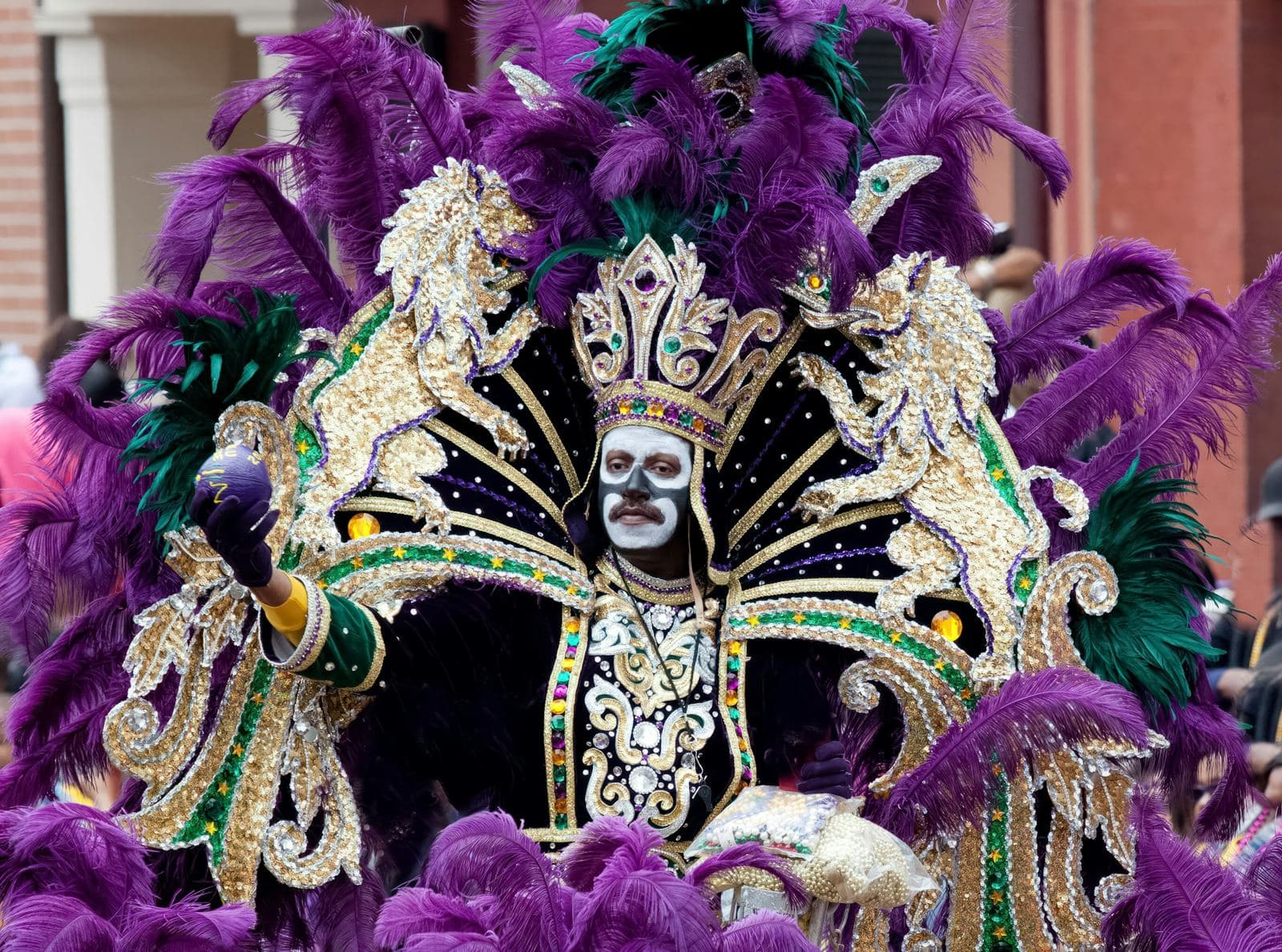
Walk down a New Orleans street in late January and you will notice the city has quietly turned three colors: purple, green, and gold. There is king cake in every office break room, beads already hanging in the oak trees, and a low hum of anticipation that has nothing to do with a single wild day on Bourbon Street.
That is the part most visitors miss. Mardi Gras is not a party so much as a season, and almost every piece of it - the colors, the cake, the throws sailing off the floats, the masks - carries meaning that locals absorb growing up and rarely stop to explain. So here is the explanation: what New Orleans Mardi Gras traditions actually mean, and where they came from.
First, What Are We Actually Celebrating?
"Mardi Gras" is French for "Fat Tuesday" - the last day of feasting before Ash Wednesday and the fasting season of Lent. But in New Orleans, that single Tuesday sits at the end of a weeks-long stretch called Carnival, which officially begins on January 6 (the Feast of the Epiphany, also known as Twelfth Night) and builds, parade by parade, to its climax. In 2027, Fat Tuesday falls on February 9.
Understanding that distinction is the first step to doing Mardi Gras like you live here. Locals do not cram everything into one night. They pace themselves across the season - and so should you.
The Colors: Why Everything Is Purple, Green, and Gold
The official Mardi Gras palette is no accident. By tradition, purple stands for justice, green for faith, and gold for power.[1] The Rex organization, one of the oldest parading krewes, is credited with assigning the colors their meanings back in the 1870s, and the city has run on them ever since.
Once you know the code, you see it everywhere: on king cakes, on beads, on house decorations, on the sashes of parade royalty. It is the closest thing New Orleans has to a civic uniform for six weeks of the year.
King Cake: The Baby, the Bean, and Who Pays Next
If one food defines the season, it is king cake - a ring of brioche-like dough, glazed and dusted in those same purple, green, and gold sugars. The oval shape is meant to evoke a crown, a nod to the Three Kings who give the cake its name.
Then there is the baby. Hidden inside nearly every king cake is a tiny plastic figurine, and tradition holds that whoever finds it in their slice has to buy the next cake (or host the next party). It is a small, delicious chain letter that keeps the season rolling. In the late 1800s, a New Orleans social group called the Twelfth Night Revelers began hiding a bean inside the cake, and by the 1940s a local bakery had swapped the bean for the now-iconic tiny plastic baby.[1] The figurine is often said to represent the Christ child, tying the cake back to its Epiphany roots.
A local note: king cake is strictly seasonal. You will not find a respectable one before Twelfth Night or after Fat Tuesday, which is exactly why everyone eats so much of it while they can.
The Throws: Beads, Doubloons, and the Holy Grail Coconut
The objects flying off the floats are called "throws," and catching them is half the fun of standing on a parade route. The classic cry - "Throw me something, mister!" - is older than most of the people shouting it.
Beads are the most common throw, but they are far from the only one. Look for:
- Doubloons - lightweight aluminum coins stamped with a krewe's emblem and parade theme, prized by collectors.
- Cups - decorated plastic cups that locals genuinely reuse all year; a good cup is a real catch.
- Zulu coconuts - hand-decorated coconuts handed out by the Zulu Social Aid and Pleasure Club on Fat Tuesday morning. They are among the most coveted throws in all of Carnival, often passed gently to you rather than thrown.
The unspoken etiquette: you do not need to do anything to earn throws. Wave, smile, make eye contact with a rider, and bring a bag to carry your haul home.
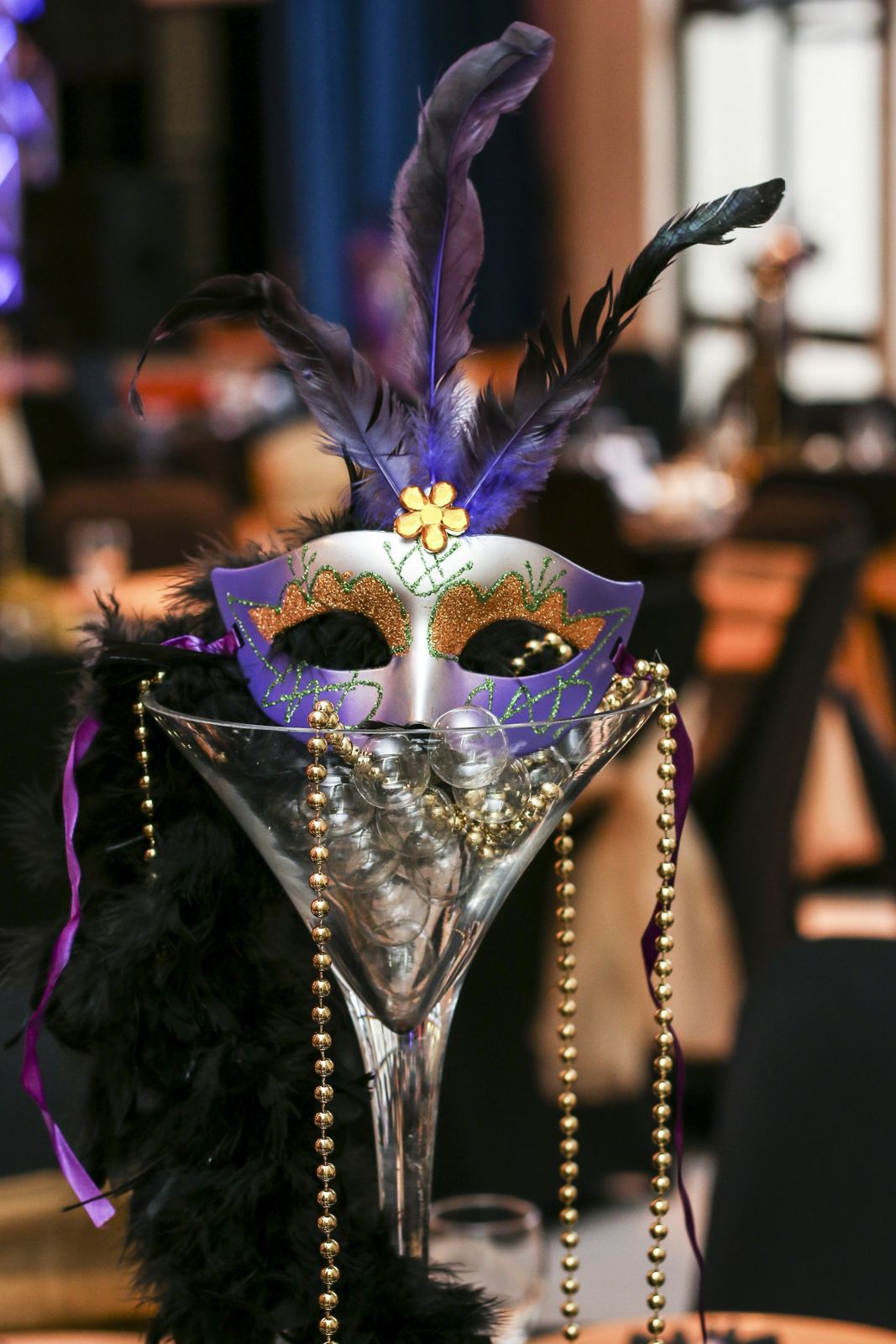
Masks: Not Just a Costume, a Rule
Masks are woven into Carnival's DNA. Historically, they let revelers of every social class mingle freely without the constraints of identity - a brief, sanctioned suspension of the usual order.
There is also a practical layer most visitors never learn: float riders in New Orleans are required by ordinance to wear masks on Fat Tuesday. For everyone else, masking is an invitation rather than a rule, but leaning into it - even a simple mask or a streak of color - is one of the easiest ways to feel like a participant instead of a spectator.
A Few Myths Worth Busting
Because Mardi Gras has a reputation, a little myth-busting goes a long way:
- It is not just Bourbon Street. The wildest stereotypes come from a few French Quarter blocks. The heart of Mardi Gras is the family-friendly parade routes Uptown along St. Charles Avenue, where you will see strollers, ladders, and grandparents.
- You do not have to do anything for beads. The transactional myth is a Bourbon Street invention, not a Carnival tradition.
- It is genuinely for families. Locals bring kids, claim the same patch of neutral ground every year, and make a full day of it.
How to Experience It Like You Live Here
Once you understand the symbols, Mardi Gras stops looking like chaos and starts reading like a language. Wear the colors. Eat the cake while it is in season. Stake out a spot on an Uptown route, bring a bag, and let the throws come to you. Mask up if the spirit moves you.
For the full picture, pair this with our guides on how New Orleans Mardi Gras parades actually work and where to stay for Mardi Gras 2027. Do that, and you will not just watch Carnival - you will understand it.
Laissez les bons temps rouler - let the good times roll.
Sources
More from the Dispatch
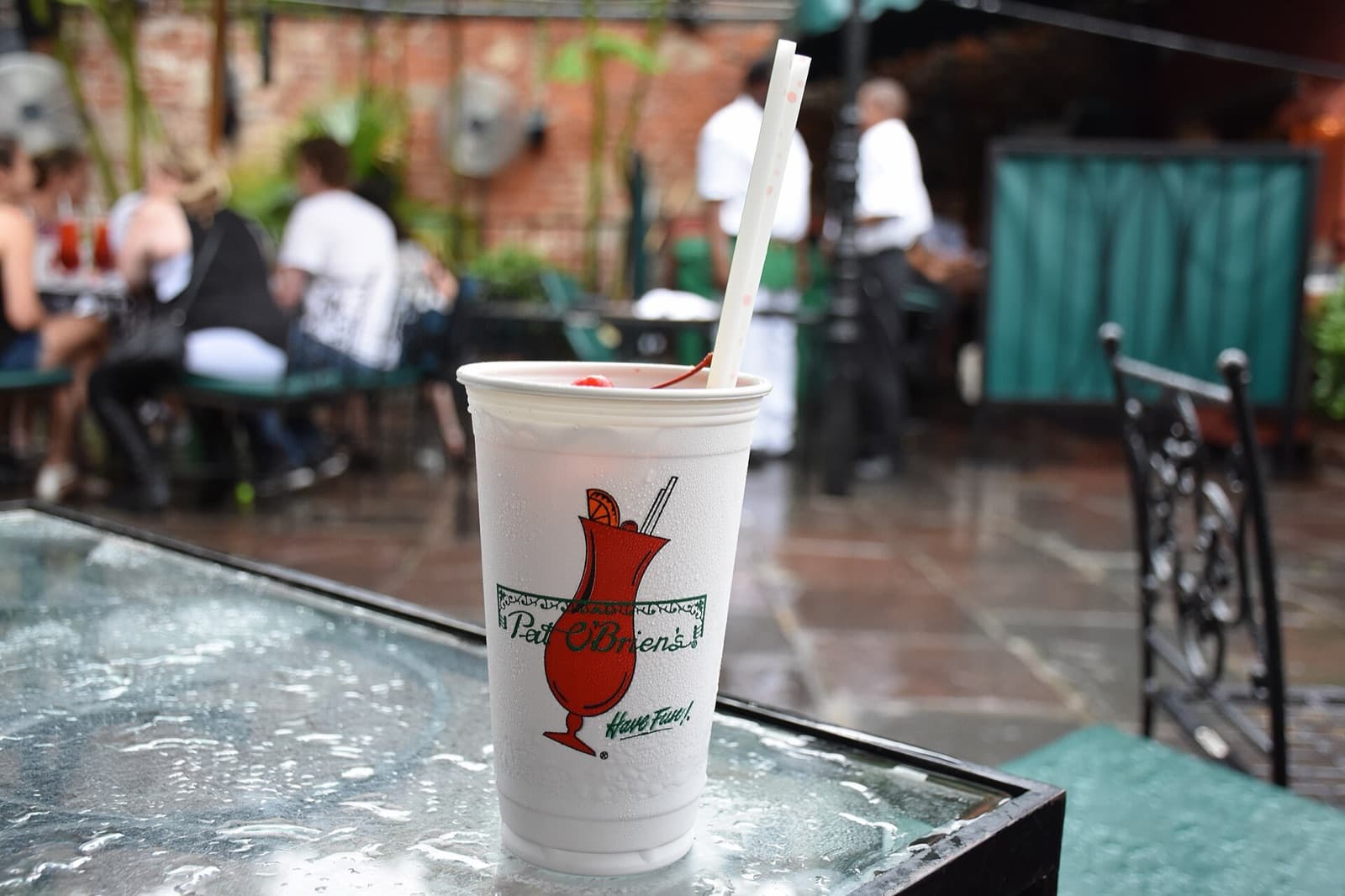
The Mardi Gras Price Index: What a Hurricane, a Po-Boy and a Beignet Cost Over Time
We tracked what New Orleans staples cost on archived menus and set them against national inflation. The Hurricane and the po-boy fell behind, the beignet pulled ahead, and the Sazerac matched restaurant prices almost exactly.

Endymion 2027: Parade Date, Start Time, Route and the Extravaganza
Endymion rolls on Saturday 6 February 2027 at 4pm, confirmed by the krewe. Here is the Mid-City route, when the floats reach each stretch, where to watch, the city rules for claiming a spot, and what to know about the Extravaganza in the Superdome.
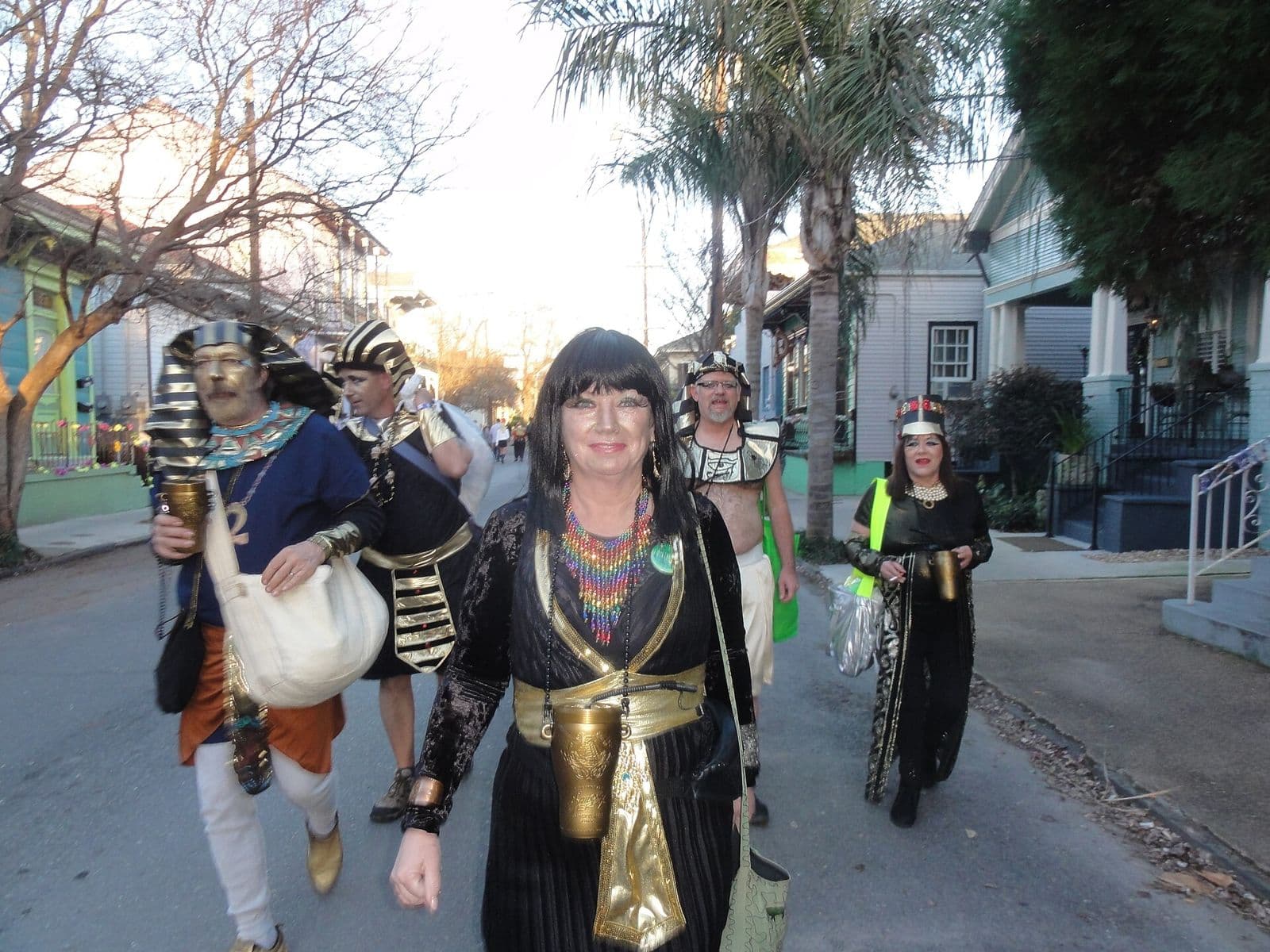
When Mardi Gras 2027 Parades Actually Start: The January Schedule
Carnival opens on 6 January 2027, but the big parades do not. Here is what rolls in January, what the quiet fortnight in between is really like, and why booking around Twelfth Night is usually a mistake.