What to Wear to Mardi Gras: Costume Ideas, the Colors & a Local's Packing List
What to Wear to Mardi Gras: Costume Ideas, the Colors & a Local's Packing List
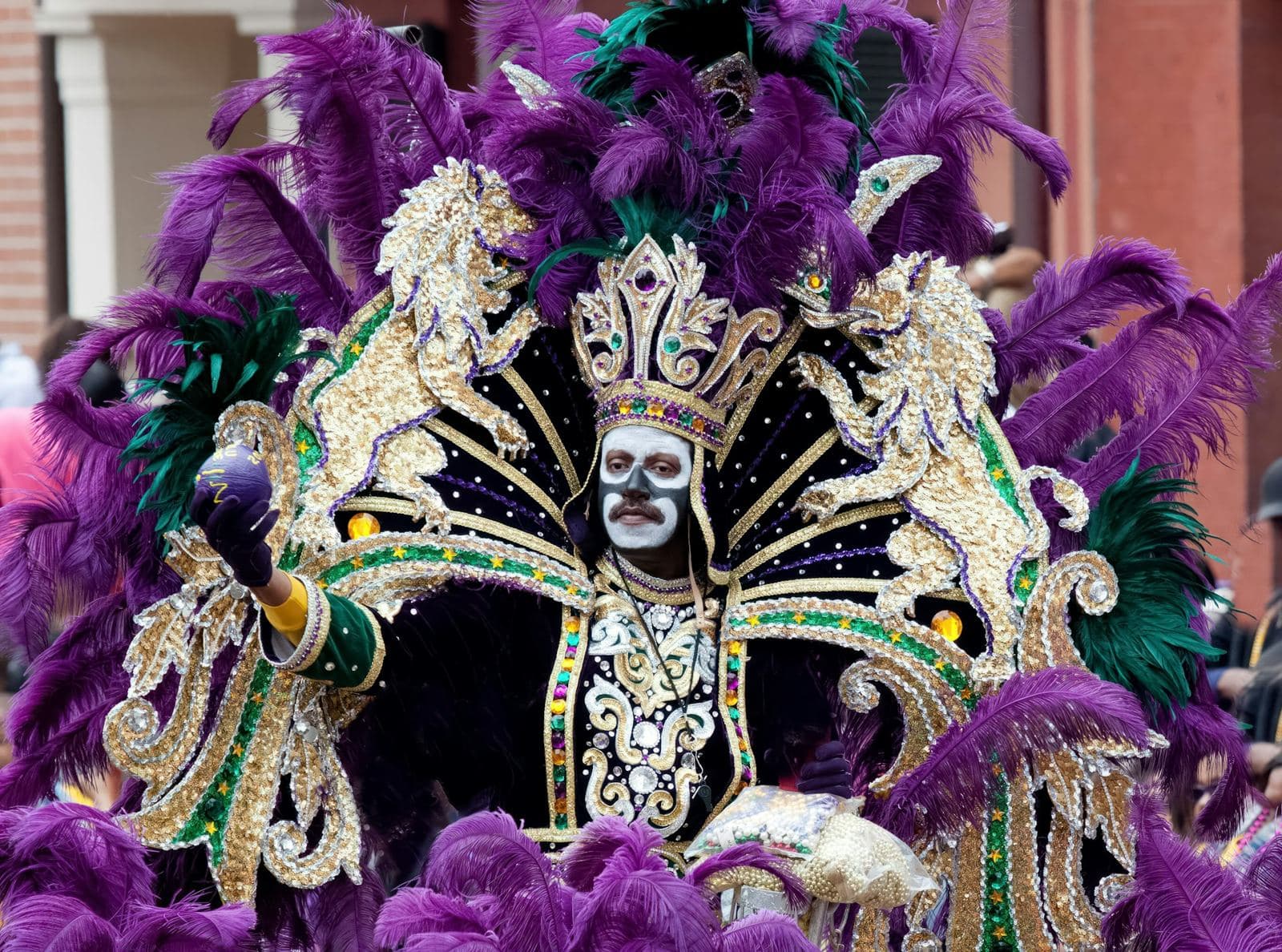
Here's the thing nobody tells first-time visitors: at Mardi Gras, the people in costume are the locals. Tourists show up in jeans and a hoodie, catch beads for a few hours, and wonder why everyone around them looks like they walked out of a glitter explosion. Costuming isn't a sideshow at New Orleans Carnival - it's the point. Fat Tuesday is essentially a citywide masquerade, and the difference between watching Mardi Gras and being part of it often comes down to what you're wearing.
The good news: you don't need a sequined bodysuit or months of preparation. This guide covers what to wear to Mardi Gras at every level of commitment, what the colors actually mean, how outfits change from parade days to Fat Tuesday, and the packing list we send friends who visit for Carnival.
First, the Color Code: Purple, Green & Gold
If you learn one rule, make it this one: purple, green, and gold are the Mardi Gras colors, and wearing them instantly marks you as someone who gets it. The Krewe of Rex established the trio back in 1872 - purple for justice, green for faith, gold for power - and a century and a half later the whole city still dresses by it.
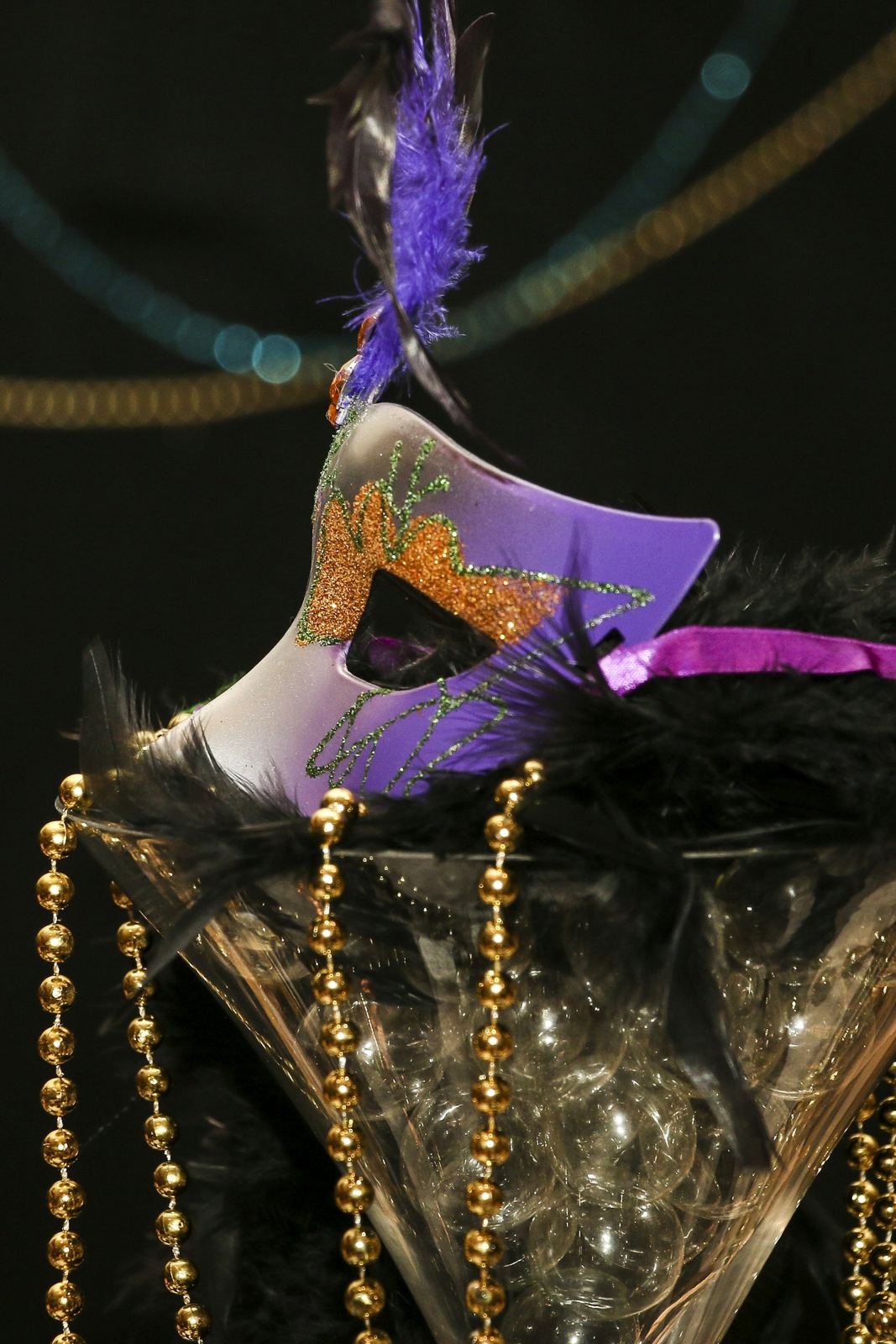 Purple, green, and gold: if your outfit has all three, you're doing it right. Photo by Hush Naidoo Jade Photography on Unsplash
You genuinely cannot overdo it. A purple wig with a green boa and gold sneakers reads as tasteful restraint by local standards. If you buy nothing else, grab a tricolor shirt, socks, or beret before you fly in - or hit one of the costume shops on Magazine Street or in the French Quarter when you land.
Mardi Gras Costume Ideas, From Zero Effort to Full Commitment
Level 1: The Colors + Whatever You Own (15 minutes)
Wear the purple-green-gold combination in any form: a themed t-shirt, striped socks, a cheap feather boa, face glitter. Add the beads you catch as the day goes on and your outfit builds itself. This is the minimum viable Mardi Gras outfit, and it's completely respectable for parade-season weekends.
Level 2: The Thrift-Store Special (one afternoon)
This is how most locals actually costume. Hit a thrift store and build an outfit around one absurd anchor piece: a vintage sequined jacket, a ruffled tuxedo shirt, a marching-band coat, a prom dress from 1987. Add a mask, a wig, or a decorated umbrella - the classic New Orleans second-line accessory - and you're dressed better than 90% of visitors.
 A feathered headpiece, a gold mask, and a decorated umbrella - a masterclass in Level 2 costuming. Photo by Thomas Park on Unsplash
Level 3: The Group Theme (a weekend of prep)
Walking krewes and friend groups often costume around a shared theme - a flock of flamingos, a deck of cards, a pod of astronauts. If you're visiting with friends, pick something simple, buy matching accessories online before the trip, and you'll be photographed all day. Themes that riff on New Orleans itself (crawfish, streetcars, po-boys) always land well.
Level 4: The Handmade Masterpiece
The costumes that stop traffic on Fat Tuesday - towering feathered headdresses, hand-sewn suits, satirical creations skewering the year's news - are usually months of work. You won't build one for your first visit, but know that when you see one, applause is welcome and "who made your costume?" is a great conversation starter. For the deeper story behind masking traditions, see our guide to Mardi Gras traditions.
What to Wear: Parade Days vs. Fat Tuesday
Carnival season runs for weeks, and what you wear depends on the day. For the full timeline, check the parade schedule.
Parade-season weekends (January-February): Comfort wins. You'll stand on St. Charles Avenue for four to six hours, so think layers - New Orleans in February swings between 40°F and 75°F, sometimes in the same day. Closed-toe shoes are non-negotiable: you'll be standing on bottle caps, beads, and the occasional mystery puddle. A crossbody bag beats a backpack in crowds, and a tote for caught throws is essential.
Fat Tuesday (February 9, 2027): This is costume day. Locals are dressed by 7 a.m. for the walking clubs, and by mid-morning the streets are a full masquerade. Wear the best costume you can manage - but keep the practical base layer underneath: comfortable shoes, weather-appropriate layers, sunscreen. You'll walk miles.
The Packing List We Send Our Friends
For the suitcase: something purple, green, and gold; one costume or anchor piece with a mask or wig; comfortable broken-in shoes you don't mind ruining; layers including a rain shell; sunscreen; a crossbody bag; a portable phone charger; and a lightweight tote for throws.
Buy after you land: beads (you'll catch hundreds - never buy beads), a decorated umbrella if you want one, and anything glittery from the local costume shops, which are far better stocked in January than any store back home.
Leave at home: heels, expensive jewelry, anything you'd cry about losing, and full-face masks for street wear (see etiquette below).
Costume Etiquette: The Unwritten (and Written) Rules
A few things locals wish every visitor knew. Don't dress as a police officer, firefighter, or paramedic - it's illegal to impersonate first responders, and it causes real confusion. Under city ordinance, masking on the street is actually only legal on Mardi Gras Day itself, and even then masks come off by 6 p.m. - novelty eye masks worn as accessories are fine all season, but save the full disguise for Fat Tuesday. Skip costumes built around other cultures' sacred dress; New Orleans has its own deep masking traditions, and the Mardi Gras Indians' beaded suits are art to be admired, never imitated. Finally, costumes ride on top of practicality, not instead of it - the person in the incredible headdress is wearing sneakers, and so should you.
The Bottom Line
You don't need to be an expert to dress for Mardi Gras - you just need to try. Pack the colors, build one fun costume, wear shoes you can stand in for six hours, and save your best look for Fat Tuesday. Do that, and you'll spend Carnival as a participant instead of a spectator - which is exactly how New Orleans wants you.
Planning the rest of your trip? Start with our trip-planning hub and the complete parade guide.
Cover photo by Carol Highsmith's America on Unsplash.
More from the Dispatch
The Mardi Gras Price Index: What a Hurricane, a Po-Boy and a Beignet Cost Over Time
We tracked what New Orleans staples cost on archived menus and set them against national inflation. The Hurricane and the po-boy fell behind, the beignet pulled ahead, and the Sazerac matched restaurant prices almost exactly.

Endymion 2027: Parade Date, Start Time, Route and the Extravaganza
Endymion rolls on Saturday 6 February 2027 at 4pm, confirmed by the krewe. Here is the Mid-City route, when the floats reach each stretch, where to watch, the city rules for claiming a spot, and what to know about the Extravaganza in the Superdome.
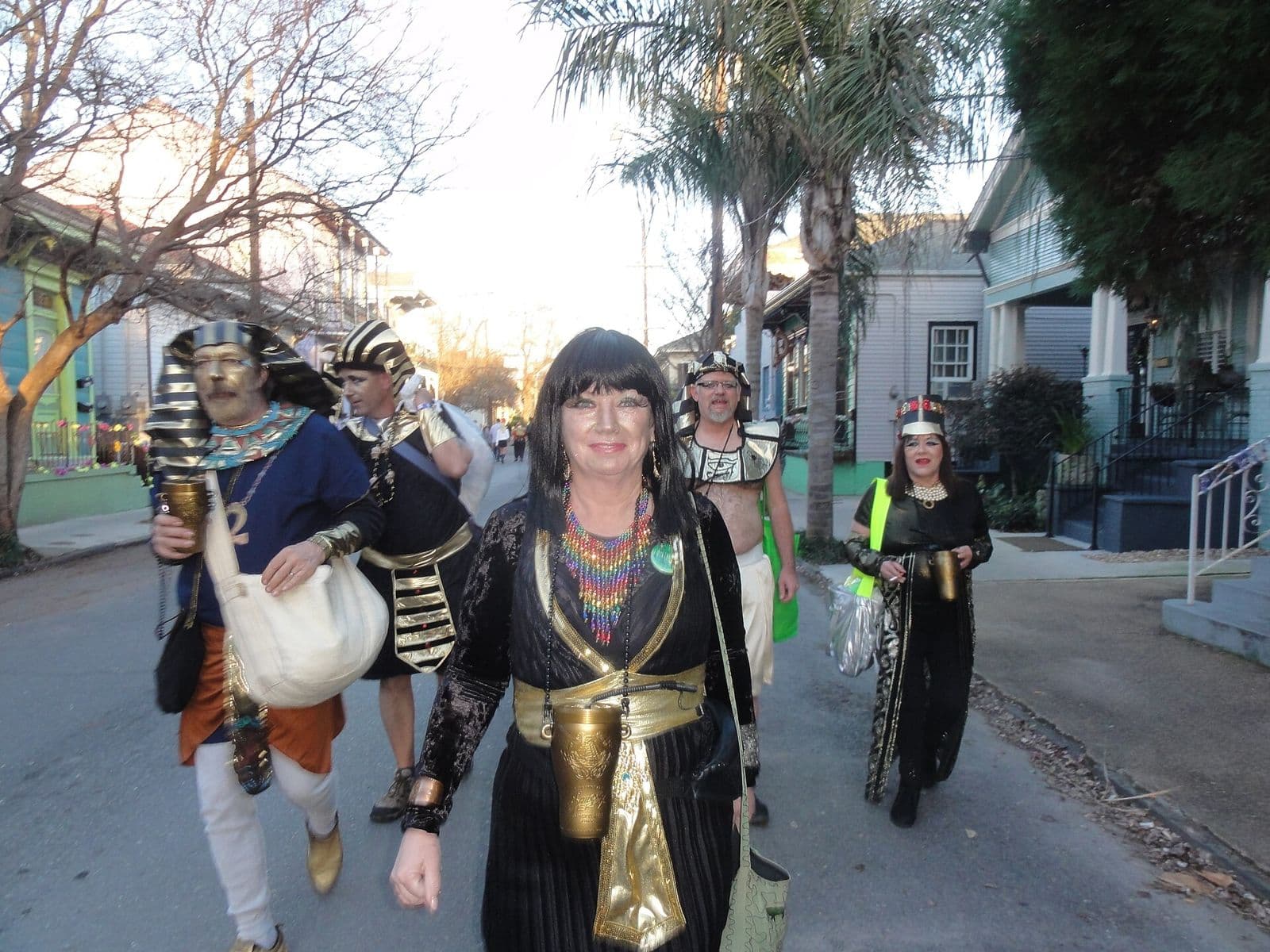
When Mardi Gras 2027 Parades Actually Start: The January Schedule
Carnival opens on 6 January 2027, but the big parades do not. Here is what rolls in January, what the quiet fortnight in between is really like, and why booking around Twelfth Night is usually a mistake.