New Orleans Carnival Season, Explained: From Twelfth Night to Fat Tuesday
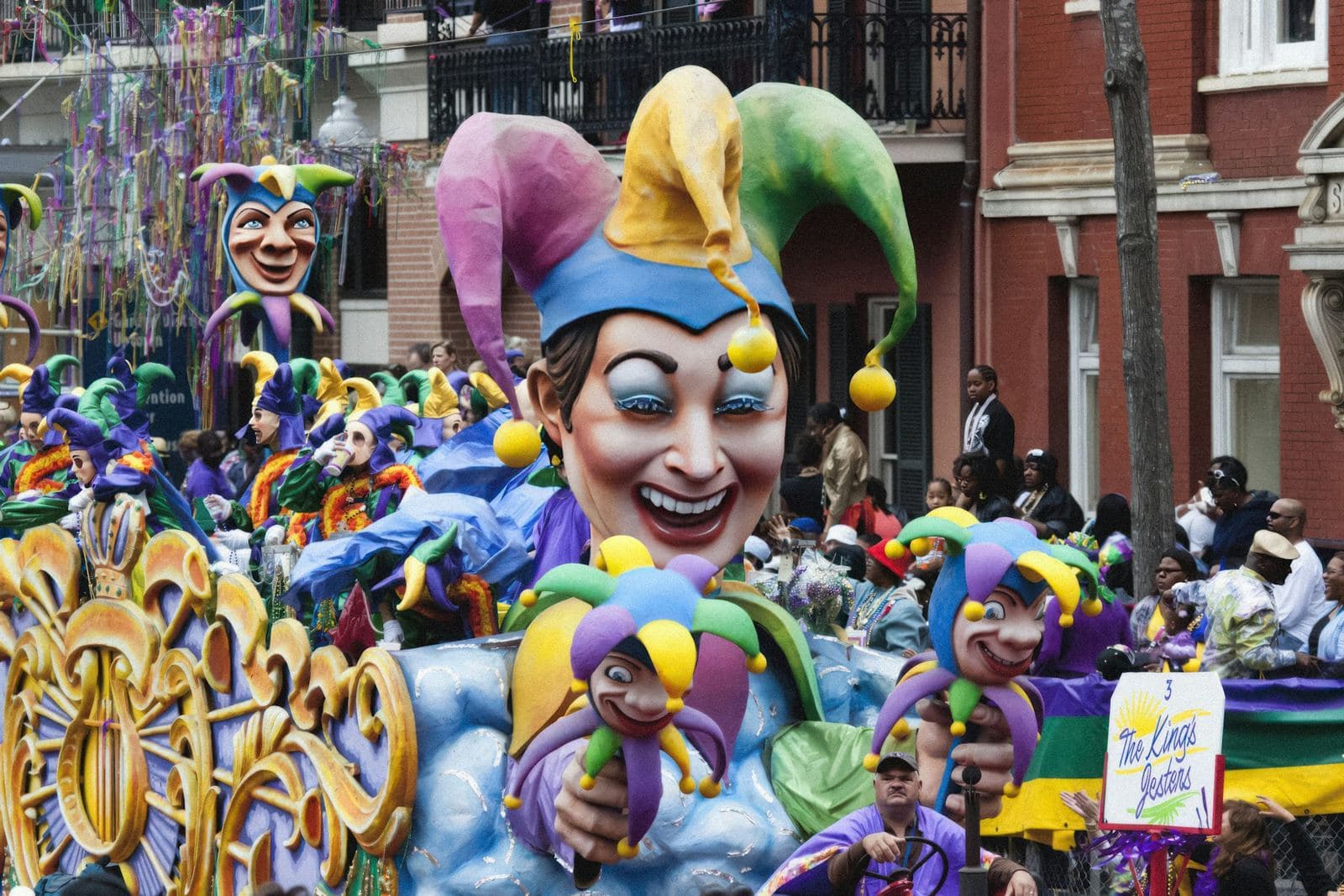
New Orleans Carnival Season, Explained: From Twelfth Night to Fat Tuesday
Here's the thing visitors get wrong most often: Mardi Gras is not a day you attend. It's the final day of a season you live through. New Orleans Carnival season runs from January 6 - Twelfth Night - all the way to Fat Tuesday, and everything that makes this city famous in February actually builds for weeks before the cameras show up.
If you understand the shape of the season, you can plan a far better trip (and sound a lot less like a tourist while you're here). This is how Carnival actually works, phase by phase.
Carnival vs. Mardi Gras: What's the Difference?
Locals use the words precisely, and it helps to do the same:
Carnival is the season. It begins on January 6 (Twelfth Night, the feast of the Epiphany) and lasts until midnight on Fat Tuesday. Everything in between - king cakes, balls, parades, costumes - is Carnival.
Mardi Gras is, strictly speaking, one day: Fat Tuesday itself, the final blowout before Ash Wednesday begins Lent. In practice locals also say "Mardi Gras" for the last stretch of parades, but if you say "Carnival season," you're speaking the local language.
So when someone asks "when is Mardi Gras?", the precise answer is a single Tuesday - but when someone asks "when is Carnival season?", the answer is always the same: it starts January 6, every single year.
When Does Carnival Season Start? January 6, Always
While the date of Fat Tuesday moves around (more on that below), the start of Carnival never does. On January 6, New Orleans flips a switch:
The Phunny Phorty Phellows board a St. Charles Avenue streetcar in costume and ride Uptown to proclaim the season open - a tradition dating to the 19th century, revived in the 1980s. The same night, the Krewe de Jeanne d'Arc walks the French Quarter honoring Joan of Arc, whose birthday conveniently falls on January 6. Bakeries start selling king cake, purple-green-and-gold goes up on porches and balconies, and the city collectively exhales: it's Carnival.
That first stretch of the season is quiet, local, and honestly one of the nicest times to be in the city - the anticipation is half the fun.
Why the Length of the Season Changes Every Year
Fat Tuesday is tied to Easter: it always falls 47 days before Easter Sunday, which means it can land anywhere from early February to early March. Since Carnival always starts January 6, the season can be as short as about four weeks or stretch to nearly nine.
A short season means the parade calendar is compressed and intense. A long season means more weekends of slow-burn celebration. For Mardi Gras 2027, Fat Tuesday falls on February 9, making it a shorter, denser season - if you're planning a 2027 trip, our full 2027 dates and parade calendar breaks down the key weekends.
The Arc of the Season, Phase by Phase
Phase 1: Twelfth Night and King Cake Season (January 6 onward)
The opening weeks are about food and ritual more than spectacle. King cake is the star - and there's a rule locals take semi-seriously: king cake is only eaten between January 6 and Fat Tuesday. Whoever gets the plastic baby in their slice buys the next cake, which keeps offices and households in cake for weeks. (Curious what the baby, the colors, and the beads actually mean? We covered it in our guide to Mardi Gras traditions.)
Phase 2: Ball Season and the Early Parades
Through January, the krewes - the private organizations that stage Carnival - hold their balls and coronations. Most are invitation-only, and you'll mostly notice them as tuxedos and gowns streaming into hotels downtown.
The first parades follow. Krewe du Vieux rolls through the Marigny and French Quarter a few weekends before Fat Tuesday - satirical, adult, defiantly homemade, and a local favorite precisely because it's everything the big floats aren't.
Phase 3: The Final Two Weekends - Parade Season Proper
Roughly twelve days before Fat Tuesday, the city shifts into full parade mode: multiple parades a day along the St. Charles Avenue and Canal Street routes, ladders on the neutral ground, and school bands practicing on every block.
The second-to-last weekend brings favorites like Muses (with its coveted glittered shoes) and Iris. Then comes the superkrewe weekend: Endymion through Mid-City on Saturday, Bacchus Uptown on Sunday, and Orpheus on Lundi Gras Monday. If you're only coming for a few days, this final stretch is the one to book - and our parade planner helps you build a day-by-day schedule.
Phase 4: Lundi Gras and Fat Tuesday
Lundi Gras (Fat Monday) is a full day of its own: the Zulu and Rex monarchs traditionally arrive at the riverfront, and Orpheus rolls that evening. Then Fat Tuesday starts early - Zulu and Rex roll in the morning, walking krewes and costumed families fill the streets, and the whole city is one rolling party until midnight, when police famously sweep Bourbon Street and Lent begins on Ash Wednesday. Done. Over. Forty days of penance (and planning next year's costume).
How to Plan a Visit Around the Season
A few honest recommendations from people who live this every year:
Want the full spectacle? Come the Friday before Fat Tuesday and stay through the day itself. Book lodging far ahead - our neighborhood-by-neighborhood guide to where to stay explains the trade-offs between Uptown, the CBD, and the Quarter.
Want Carnival without the crush? Come in mid-January or for the first parade weekends. You'll get king cake, Krewe du Vieux, and neighborhood parades with a fraction of the crowds and hotel prices.
Traveling with kids? The earlier weekends and daytime Uptown parades are famously family-friendly - see our family guide to Mardi Gras.
Whenever you come, learn the parade routes before you pick a hotel, browse the krewes so you know who's rolling, and check the full parade schedule when it's published in the fall.
Carnival Season FAQ
When does Carnival season start in New Orleans? January 6 - Twelfth Night - every year, without exception.
How long is Carnival season? Between about four and nine weeks, depending on when Easter falls. The 2027 season runs January 6 to February 9.
Is everything closed during Carnival? No - the city functions (mostly). Schools and many offices close the final Monday and Tuesday, and parade routes reshape traffic for the last two weeks.
Can I eat king cake in December? Bakeries will sell it to you. Locals will judge you. It's a season for a reason.
Is January too early to visit? Not at all - early Carnival is the insider's window: real traditions, real locals, reasonable prices.
Carnival is the city's longest-running show, and Fat Tuesday is only the finale. Come for any act of it and you'll understand why New Orleans measures its year not from January 1, but from January 6.
Cover photo: the Phunny Phorty Phellows on Twelfth Night, by Infrogmation of New Orleans, CC BY-SA 4.0, via Wikimedia Commons.

More from the Dispatch
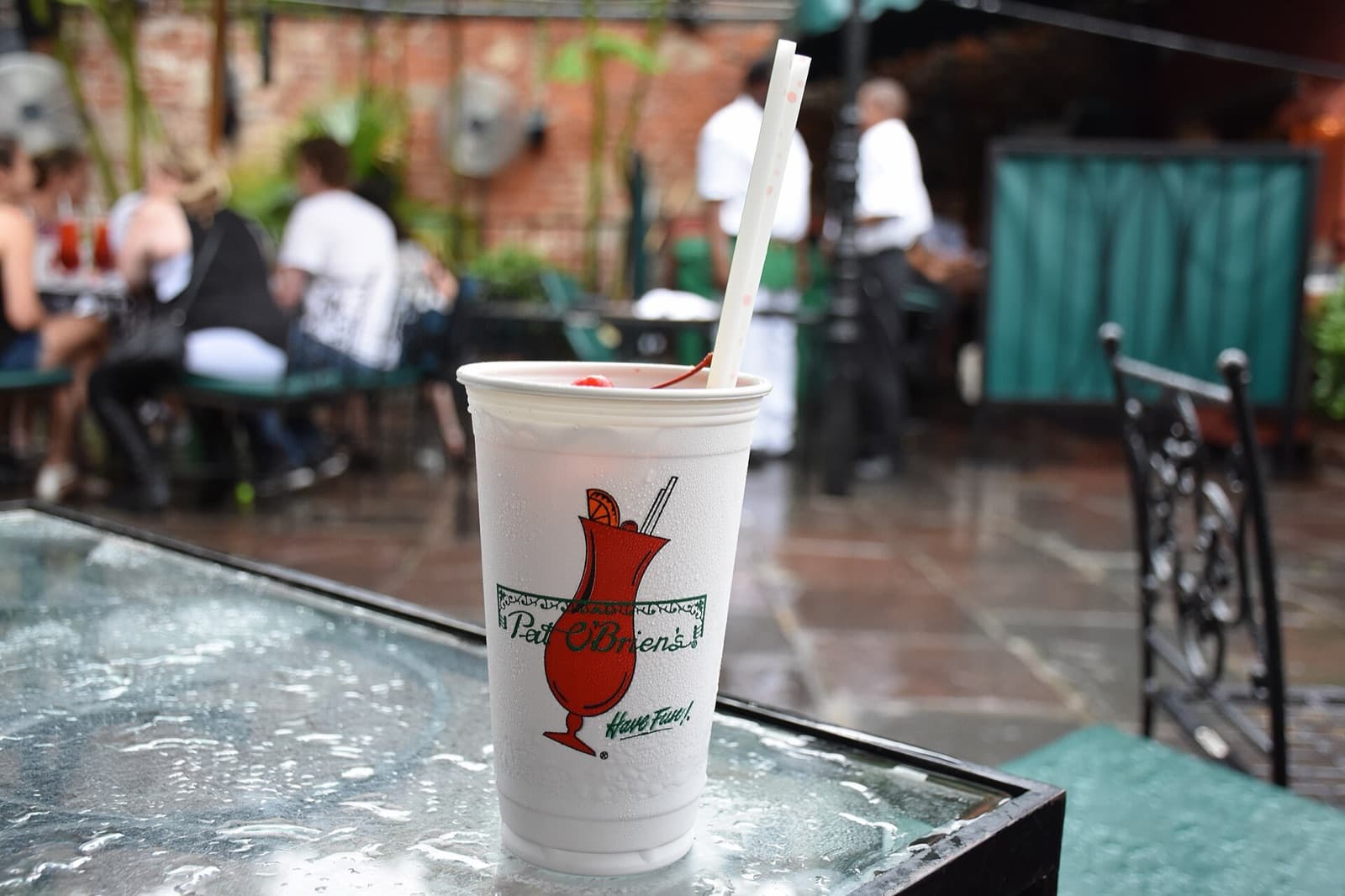
The Mardi Gras Price Index: What a Hurricane, a Po-Boy and a Beignet Cost Over Time
We tracked what New Orleans staples cost on archived menus and set them against national inflation. The Hurricane and the po-boy fell behind, the beignet pulled ahead, and the Sazerac matched restaurant prices almost exactly.

Endymion 2027: Parade Date, Start Time, Route and the Extravaganza
Endymion rolls on Saturday 6 February 2027 at 4pm, confirmed by the krewe. Here is the Mid-City route, when the floats reach each stretch, where to watch, the city rules for claiming a spot, and what to know about the Extravaganza in the Superdome.
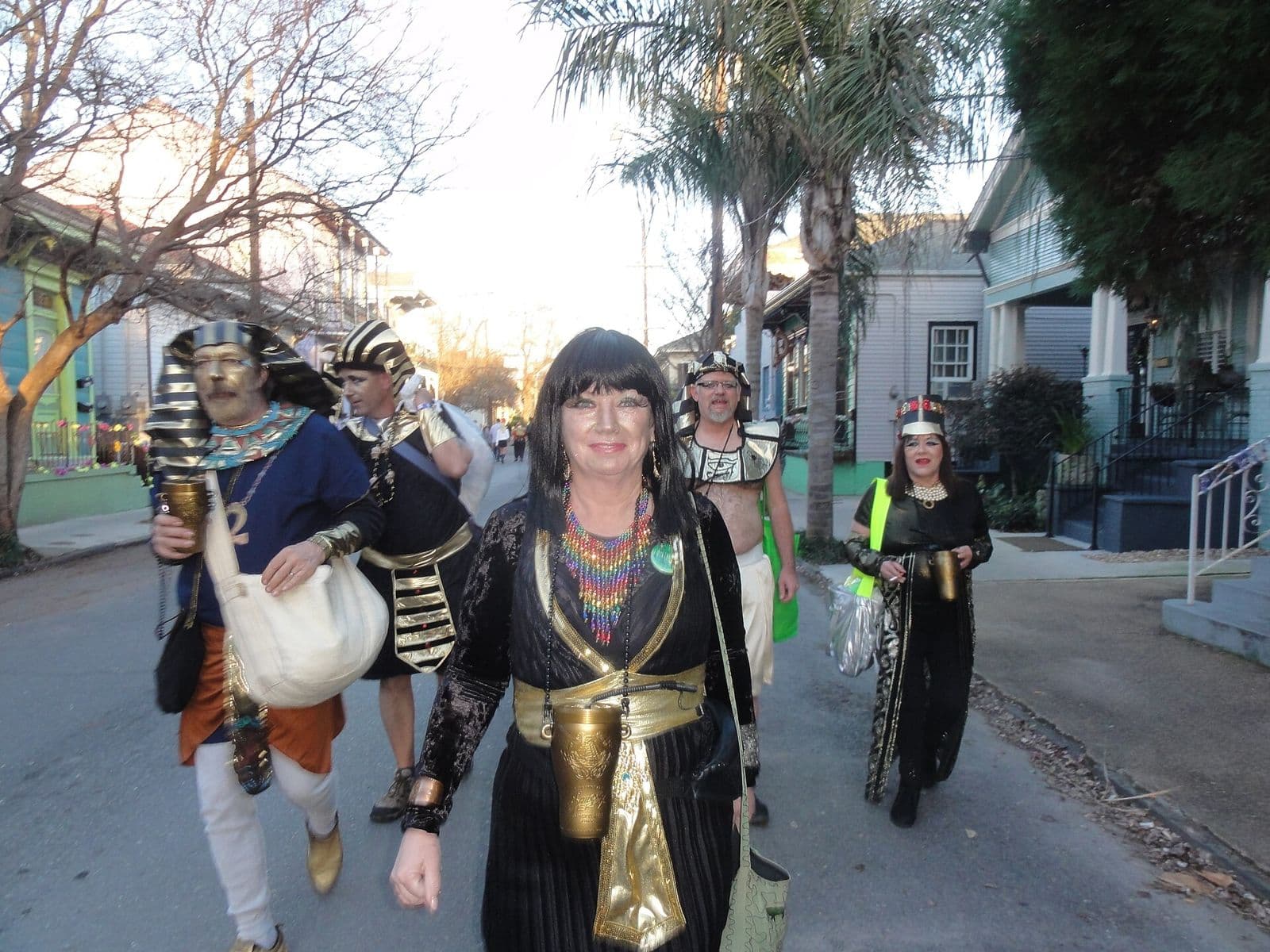
When Mardi Gras 2027 Parades Actually Start: The January Schedule
Carnival opens on 6 January 2027, but the big parades do not. Here is what rolls in January, what the quiet fortnight in between is really like, and why booking around Twelfth Night is usually a mistake.